 saralog
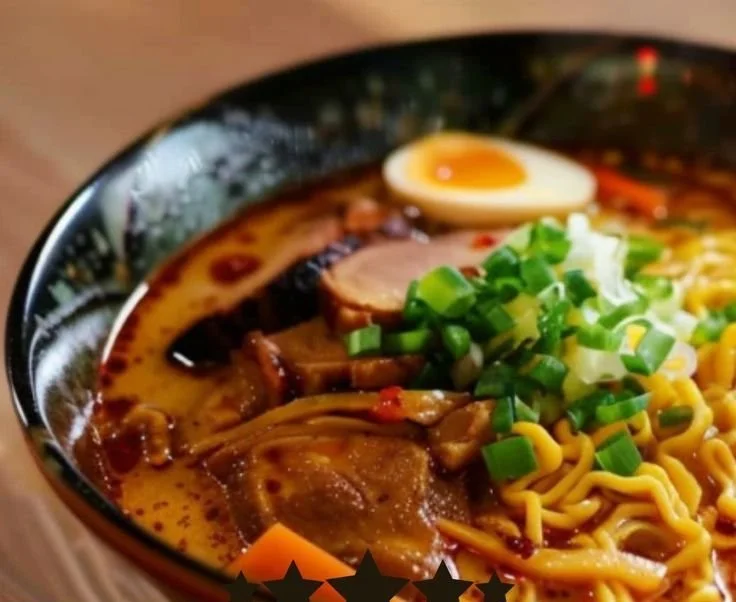
As I stood in my kitchen, the gentle hum of my favorite cooking playlist creating a comforting backdrop, memories of my first encounter with Japanese Curry Ramen washed over me. I vividly remember the buzz of the local food festival where I first tasted this heavenly dish. The rich aroma of curry wafted through the air, beckoning me closer like a warm blanket on a chilly evening. I slid into a small booth, ready to explore a world of flavors I had never experienced before.
That first bite was pure joy—rich, flavorful, and deeply satisfying, the kind of dish that warms your soul just as much as it fills your belly. The silky noodles, tender vegetables, and the earthy undertone of a well-crafted curry sauce combined into one comforting bowl. As I savored each mouthful, I couldn’t help but think about how the comforting embrace of this dish reminded me of my grandmother’s homemade meals. Japanese Curry Ramen became an instant favorite, a dish I would recreate in my own kitchen to share with my family, adding a sprinkle of Southern charm along the way. Cooking to me is about creating memories, and every bowl of Japanese Curry Ramen I serve is a moment of love served up to those I cherish.
Flavor and Popularity
The Unique Flavor Profile of Japanese Curry Ramen
Japanese Curry Ramen is a delightful fusion of flavors that captivates the senses. At the heart of this dish is the unmistakable curry sauce, a blend of sweetness, spice, and warmth. Unlike other curry styles, Japanese curry leans toward a mild sweetness, creating a base that envelops the palate with each spoonful. The primary ingredients—Japanese curry powder or roux, soy sauce, and mirin—combine to create a deeply savory umami experience that dances on your taste buds.
The noodles, often made from wheat flour, provide a chewy and satisfying contrast to the hearty broth. Add in juicy pieces of protein, such as chicken, pork, or tofu, paired with vibrant vegetables like carrots and green onions, and it’s a masterpiece of texture and taste. The interplay of spices and the warmth of the broth makes Japanese Curry Ramen not just a meal, but a comforting experience.
Why This Recipe Is a Family Favorite and Crowd-Pleaser
What makes Japanese Curry Ramen a cherished recipe in many households, including my own, is its ability to bring everyone together. This dish has a unique knack for being a showstopper at family gatherings and a simple yet glorious weeknight dinner. It appeals to both young taste buds and seasoned palates alike.
If you’ve ever had a day that felt particularly long, a steaming bowl of Japanese Curry Ramen can be a warm hug in your bowl. Its comforting nature has made it an integral part of my family’s meal rotation, especially during colder months. Plus, it’s versatile! You can easily customize it with your family’s favorite ingredients, making it a true crowd-pleaser.
Ingredients and Preparation
Essential Ingredients and Possible Substitutions
To whip up your very own bowl of comforting Japanese Curry Ramen, gather these essential ingredients:
- Noodles: Choose your favorite ramen noodles for that perfect chewiness.
- Broth: Use chicken, beef, or vegetable broth as a flavor base.
- Protein: Chicken, pork, or tofu work wonderfully.
- Japanese Curry Roux or Powder: This is the star of the dish that brings in that signature flavor.
- Vegetables: Carrots, onions, and green onions add freshness and crunch.
- Aromatics: Garlic and ginger bring an extra layer of flavor.
- Toppings: Sliced scallions, boiled eggs, and nori enhance both flavor and presentation.
If you’re looking for substitutions, don’t fret! You can swap out traditional ramen noodles for soba or udon if you prefer. For broth, consider making it vegetarian-friendly with a rich vegetable stock. If you’re not keen on one of the suggested proteins, chickpeas are a lovely alternative for a plant-powered spin. The beauty of this dish is that you can tailor it to fit your family’s preferences while keeping the heart of the recipe intact.
Step-by-Step Recipe Instructions with Tips
Let’s dive into the heart of cooking Japanese Curry Ramen:
-
Prep Your Ingredients: Chop up your vegetables and protein into bite-sized pieces. This not only makes cooking easier but ensures even cooking.
-
Sauté Aromatics: In a large pot, heat a tablespoon of oil over medium heat. Sauté minced garlic and ginger until fragrant, about a minute. This step pumps up the flavor significantly!
-
Add Protein: Toss in your chosen protein and cook until browned. If you’re using meat, it should take about 4-5 minutes; tofu will be golden and crispy.
-
Mix in Veggies: Add in chopped carrots and onions, continuing to stir and cook for about 3 more minutes until they slightly soften.
-
Introduce the Broth: Pour in your broth of choice and bring it to a gentle simmer.
-
Add Curry: Stir in the Japanese curry roux, allowing it to dissolve completely in the simmering broth. Watch as it thickens into a luscious sauce.
-
Cook the Noodles: When the broth is simmering nicely, add your ramen noodles and cook according to package instructions, usually 3-4 minutes.
-
Serve and Garnish: Ladle the curry ramen into bowls, and top with sliced scallions, a boiled egg, or any of your favorite toppings.
Remember, the key to a great Japanese Curry Ramen lies in letting the flavors meld together, so don’t rush through this process. Be patient, enjoy the aromas in your kitchen, and trust your instincts about seasoning.
Cooking Techniques and Tips
How to Cook Japanese Curry Ramen Perfectly
To achieve the ultimate bowl of Japanese Curry Ramen, here are a few tips:
- Quality Ingredients: Always opt for fresh, high-quality ingredients. It makes a world of difference in flavor.
- Balance the Flavors: Don’t hesitate to adjust the seasoning. Taste as you go—add a splash more soy sauce or a pinch of sugar if you prefer a sweeter note.
- Cook Noodles Separately: If you enjoy a drier noodle texture, consider cooking the noodles separately and adding them to the broth just before serving.
Common Mistakes to Avoid
Even seasoned cooks can stumble when making Japanese Curry Ramen. Here are some common pitfalls to avoid:
- Overcooking the Noodles: This can lead to a mushy texture. Keep an eye on them and taste-test.
- Skipping the Sautéing: Rush through sautéing aromatics, and you’ll miss out on essential flavor development.
- Using Cold Ingredients: Ensure your ingredients are at room temperature before cooking to ensure even cooking and flavor melding.
Health Benefits and Serving Suggestions
Nutritional Value of Japanese Curry Ramen
Besides being scrumptious, Japanese Curry Ramen is packed with nutritional goodness. Depending on your choice of protein and vegetables, this dish can be rich in vitamins, minerals, and fiber. The wellness-boosting garlic and ginger add anti-inflammatory properties as well, which can be a lovely bonus, especially during chilly weather.
You can also control the sodium content by choosing low-sodium broth or reducing soy sauce. With the added freshness of vegetables and the choice of whole-grain noodles, this dish delivers comfort and nutrition in every slurp.
Best Ways to Serve and Pair This Dish
Japanese Curry Ramen is divine on its own but can easily be paired with a variety of side dishes. Consider serving it alongside:
- Japanese Pickles: Their crunch adds a delightful tang to balance the heartiness of the ramen.
- A Fresh Salad: A simple cucumber or seaweed salad can bring lightness to the table.
- Steamed Vegetables: Broccolini or bok choy pairs well with the bold flavors of the curry broth.
FAQ Section
What type of mushrooms are best for Japanese Curry Ramen?
Shiitake mushrooms add an earthy depth to your ramen, enhancing the umami flavor. But feel free to use button mushrooms or even enoki for a delicate touch.
Can I use dried garlic instead of fresh?
While fresh garlic brings a vibrant flavor, dried garlic can work in a pinch. However, keep in mind that the flavor will be milder, so adjust accordingly to your taste preferences.
How do I store leftover Japanese Curry Ramen?
Store any leftovers in an airtight container. It’s best to keep the noodles separate from the broth to maintain their texture. They can last in the fridge for about 3-4 days.
Can I freeze Japanese Curry Ramen?
Yes! Just remember to freeze the broth and noodles separately for the best results. When you’re ready to enjoy it again, gently reheat the broth and add the noodles just before eating.
As I wrap up my thoughts on this delightful dish, I genuinely hope you take the leap and try making Japanese Curry Ramen at home. If you’re like me, there’s something comforting about crafting your own meals—meals that tell your story with every bite. Trust me, you’ll want to make this again and again. After all, it holds a special place in both my heart and my family’s dinner table. So grab your ingredients and let the beautiful aromas fill your home. Happy cooking!
Print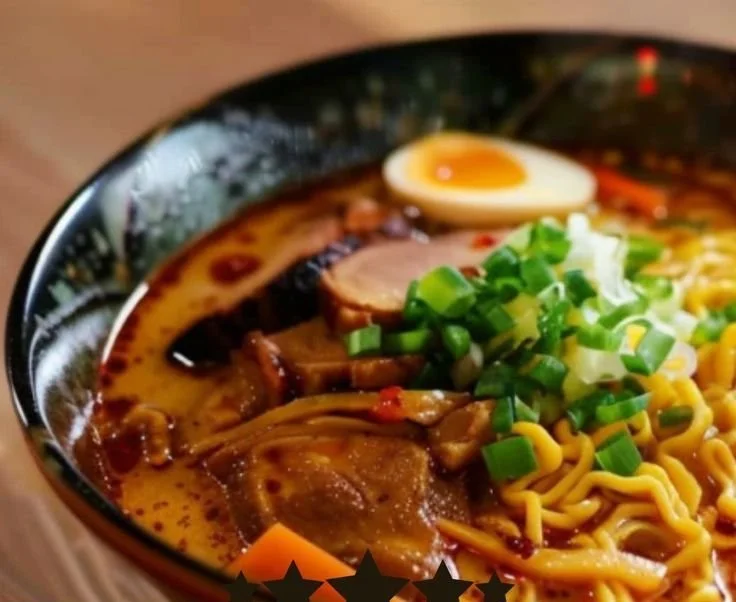
Japanese Curry Ramen
A comforting bowl of Japanese Curry Ramen, featuring silky noodles and a rich, flavorful curry broth that warms your soul.
- Total Time: 45 minutes
- Yield: 4 servings
Ingredients
- Ramen noodles
- 4 cups chicken, beef, or vegetable broth
- 1 lb protein (chicken, pork, or tofu)
- 1/4 cup Japanese curry roux or powder
- 1 cup chopped carrots
- 1 cup chopped onions
- 1/2 cup sliced green onions
- 2 cloves garlic, minced
- 1 inch ginger, minced
- Boiled eggs and nori for topping
Instructions
- Prep your ingredients: Chop up your vegetables and protein into bite-sized pieces.
- Sauté aromatics: Heat a tablespoon of oil in a large pot over medium heat and sauté minced garlic and ginger until fragrant.
- Add protein: Toss in your chosen protein and cook until browned.
- Mix in veggies: Add chopped carrots and onions, cooking until slightly softened.
- Introduce the broth: Pour in your broth and bring to a gentle simmer.
- Add curry: Stir in the Japanese curry roux until fully dissolved.
- Cook the noodles: Add ramen noodles and cook according to package instructions.
- Serve and garnish: Ladle into bowls and top with sliced scallions, boiled egg, or other toppings.
Notes
Cook noodles separately for a drier texture, and always taste as you go to balance flavors.
- Prep Time: 15 minutes
- Cook Time: 30 minutes
- Category: Main Course
- Method: Baking
- Cuisine: Japanese
- Diet: Vegetarian (with tofu alternative)


 saralog
 carla
carla