 carla
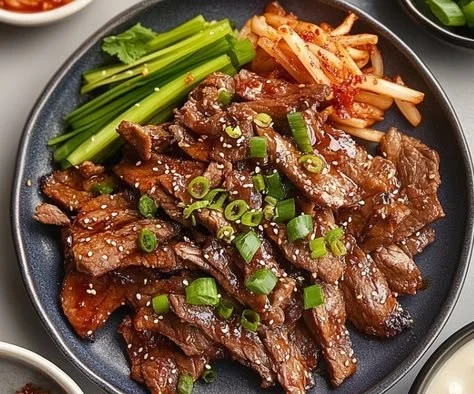
carlaKorean Beef Bulgogi holds such fond memories for me—it’s like a warm embrace on a chilly day. I can vividly recall the first time I tasted this delicious dish. It was a bustling afternoon at my friend Jun’s house, and the air was filled with mouthwatering scents that danced around us. As I stepped into the kitchen, I was instantly captivated by the sound of sizzling beef being sautéed to perfection. The rich aroma of garlic mingling with the sweetness of soy sauce was enough to make anyone’s stomach rumble.
Jun’s mother stood at the stove, her hands deftly working the marinade into thin strips of beef, transforming them into what felt like a piece of culinary art. I remember stealing bites here and there—each tender, flavorful morsel bursting with umami that made me feel all warm and happy inside. When I asked about the recipe, she flashed a smile and said, "It’s easy! Just love what you make." That stuck with me. For me, cooking isn’t just about following recipes; it’s about the joy and the stories that come with every dish. Since then, Korean Beef Bulgogi has become a staple in my kitchen, and I’ve made it countless times, always eager to share this delightful experience with family and friends.
Flavor and Popularity
The Unique Flavor Profile of Korean Beef Bulgogi
At its core, Korean Beef Bulgogi is an exquisite balance of savory and sweet flavors brought together in an enticing marinade. The heart of the dish is naturally tender beef, usually sirloin or ribeye, cut into thin strips, which allows the spices to penetrate deeply, creating an explosion of taste with every bite. Marinaded in a delightful combination of soy sauce, sesame oil, and a hint of sugar, it strikes a harmonious chord that pleases even the pickiest of eaters.
Let’s not forget about the aromatics—fresh garlic and grated ginger give it that unmistakable kick while scallions add a pop of brightness. The option to include a splash of mirin or a sprinkle of sesame seeds only enhances this beautiful flavor symphony. Korean Beef Bulgogi carries a delightful crunch when accompanied by sautéed vegetables, bringing texture and color to the dish. The natural sweetness of caramelized beef, combined with earthy mushrooms or bell peppers, transforms every meal into a celebration.
Why This Recipe Is a Family Favorite and Crowd-Pleaser
Korean Beef Bulgogi isn’t just a dish; it’s an experience. Every time I make it, I think back to those cozy gatherings around the table, the laughter, and the happiness that echo through the house. My family, with varying taste buds and preferences, all gather around in eager anticipation when they smell that irresistible aroma wafting through the air.
It’s a versatile recipe that can please just about anyone! Whether served with rice as a main platter or nestled in lettuce leaves for a fun wrap, it sparks joy as a cherished centerpiece. The flavors meld so beautifully, making it a quick yet satisfying meal. And let’s not overlook its adaptability; it works wonderfully for busy weeknights yet can stand out dazzlingly for special occasions. It’s no wonder this dish has traveled from the streets of Seoul to homes all over the world, including mine.
Ingredients and Preparation
Essential Ingredients and Possible Substitutions
To create your own Korean Beef Bulgogi, you’ll want to gather some key ingredients:
- Beef: Sirloin or ribeye is perfect for its tenderness. If you prefer a leaner option, flank steak works great too.
- Soy Sauce: Regular or low-sodium, depending on your preference for saltiness.
- Sesame Oil: This adds that nutty flavor we know and love.
- Sugar: Granulated or brown sugar adds a touch of sweetness, but honey or maple syrup can be a lovely alternative.
- Garlic: Freshly minced is a must for that potent flavor.
- Ginger: Grate it fresh for the best results.
- Scallions: They provide that crunch and a hint of sharpness.
For those who might be gluten intolerant, look for gluten-free soy sauce or simply substitute tamari.
Step-by-Step Recipe Instructions with Tips
-
Marinate the Beef: Start by thinly slicing your beef against the grain for maximum tenderness. In a bowl, combine soy sauce, sesame oil, sugar, minced garlic, and grated ginger. Whisk until everything melds together before adding the beef. Let it marinate for at least 30 minutes, or for optimal flavor, let it sit in the fridge for a couple of hours.
-
Prepare Your Vegetables: Thinly slice bell peppers, onions, and mushrooms. I love including earthy shiitake mushrooms, as they harmonize wonderfully with the overall dish. The sweetness of the veggies balances out the savory beef perfectly.
-
Cook the Beef: Heat a large skillet over medium-high heat, adding a touch of oil. Once hot, add the marinated beef in a single layer. Sear for about 2–3 minutes per side until it caramelizes.
-
Add the Vegetables: Toss in your vegetables, allowing them to cook for an additional 2–3 minutes. Their crunch is the perfect counterpart to the tender beef.
-
Serve Hot: Enjoy it on steamed rice or serve it on crisp lettuce leaves for a fun, interactive meal. Don’t forget a sprinkle of sesame seeds on top!
Cooking Techniques and Tips
How to Cook Korean Beef Bulgogi Perfectly
To truly nail the cooking process, focus on the temperature and timing. Make sure your skillet is adequately heated before adding the beef—this ensures a lovely sear that locks all those flavors in. Searing the beef creates that delectable browning that takes the dish to the next level. Batch cooking can also help keep the heat constant, making the whole process efficient!
Another tip? Don’t overcrowd the pan. Give your beef the space it needs to caramelize. You can always work in batches, then mix everything back together at the end.
Common Mistakes to Avoid
One common pitfall is skipping the marination step—this is crucial for developing flavor and tenderness. Aim for at least 30 minutes, but if you can manage to allow it to soak in those flavors for hours or overnight, even better!
Using too much heat can also result in tough meat. Always remember: low and slow creates a tender texture. Lastly, don’t forget to taste as you go! Adjust flavors based on your preference for a sweet or salty profile.
Health Benefits and Serving Suggestions
Nutritional Value of Korean Beef Bulgogi
Korean Beef Bulgogi, while indulgent, does offer some nutritional value thanks to lean cuts of beef providing protein, iron, and essential vitamins. With the addition of colorful vegetables, you’re adding fiber and a range of nutrients that contribute to a balanced meal. Plus, the marinade ingredients like garlic and ginger are known for their health benefits, such as boosting immunity and aiding digestion.
Best Ways to Serve and Pair This Dish
Korean Beef Bulgogi is wonderfully versatile. Serve it with fluffy white or brown rice as a hearty main dish, or wrap it in crisp lettuce leaves for a refreshing, low-carb option. You can also complement it with sides like kimchi, pickled radish, or a simple cucumber salad to add even more flavor and texture to your meal.
If you’re hosting a gathering, consider a Korean BBQ night! Set up a grill at the table so your guests can cook their own beef, creating a fun and interactive dining experience. Pair it with cool drinks like iced green tea or even soju for an authentic touch.
FAQ Section
What type of mushrooms are best for Korean Beef Bulgogi?
I recommend using shiitake mushrooms for their deep, earthy flavors that pair beautifully with the sweet savory profile of the beef. However, you can also opt for cremini or button mushrooms if that’s what you have on hand.
Can I use dried garlic instead of fresh?
While fresh garlic lends a more potent flavor and aroma, dried garlic can work in a pinch. Just keep in mind that dried garlic is more concentrated, so start with a smaller amount and adjust according to your taste.
How do I store leftover Korean Beef Bulgogi?
Once cooled, store leftovers in an airtight container in the refrigerator. It should be good for about 3 to 4 days.
Can I freeze Korean Beef Bulgogi?
Absolutely! You can freeze it for up to three months. Just make sure to let it cool completely before transferring to a freezer-safe container. When ready to eat, thaw it overnight in the fridge and warm it up on the stove or microwave.
Conclusion
If you’re like me and love to bring people together through food, then Korean Beef Bulgogi is the perfect dish to try. There’s something comforting about the allure of flavorful marinated beef sizzling away in the skillet, ready to bring anyone who tastes it straight to culinary bliss. Trust me, you’ll want to make this again and again. So roll up your sleeves and dive into this joyous cooking journey! You won’t regret the delightful experience of sharing it with those you care about.
Print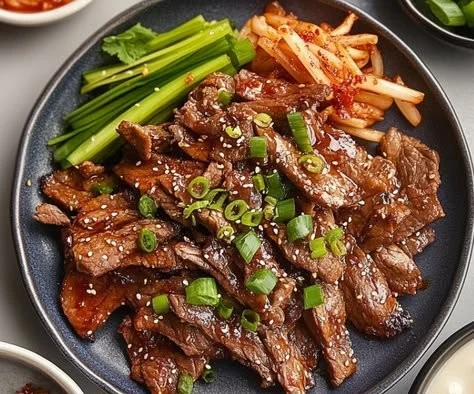
Korean Beef Bulgogi
Korean Beef Bulgogi is a flavorful dish featuring tender marinated beef, cooked to perfection and bursting with umami. A family favorite that brings warmth and joy to any gathering.
- Total Time: 30 minutes
- Yield: 4 servings
Ingredients
- 1 lb beef (sirloin, ribeye, or flank steak), thinly sliced
- 1/4 cup soy sauce
- 2 tbsp sesame oil
- 2 tbsp sugar (granulated or brown)
- 4 cloves garlic, minced
- 1 tbsp fresh ginger, grated
- 2 scallions, thinly sliced
- 1 bell pepper, thinly sliced
- 1 cup mushrooms (shiitake, cremini, or button), sliced
- 1 tbsp oil (for cooking)
- Sesame seeds (for garnish)
Instructions
- Marinate the beef: In a bowl, combine soy sauce, sesame oil, sugar, minced garlic, and grated ginger. Whisk until combined, add beef, and marinate for at least 30 minutes.
- Prepare your vegetables: Thinly slice bell peppers, onions, and mushrooms.
- Cook the beef: Heat a large skillet over medium-high heat, add oil and sear the marinated beef for 2–3 minutes per side until caramelized.
- Add the vegetables: Toss in the vegetables and cook for an additional 2–3 minutes.
- Serve hot: Enjoy on steamed rice or in lettuce leaves, garnished with sesame seeds.
Notes
Serve with sides like kimchi or pickled radish. For a fun twist, set up a Korean BBQ grill for guests to cook their own.
- Prep Time: 15 minutes
- Cook Time: 15 minutes
- Category: Main Course
- Method: Stir-Frying
- Cuisine: Korean
- Diet: Gluten-Free (if using gluten-free soy sauce)

 saralog



 carla
carla