 saralog
The first time I tasted Korean Beef Bulgogi, I was transported to a world bursting with flavor—an experience I can still recall vividly. It was at a cozy little restaurant tucked away in the bustling streets of Charlotte, a place that felt like home with its warm lighting and friendly faces. My best friend had raved about the dish for weeks, weaving tales of tender, marinated beef sizzling on the grill and delightful aromas wafting through the air. My expectations were high, but oh, did it deliver!
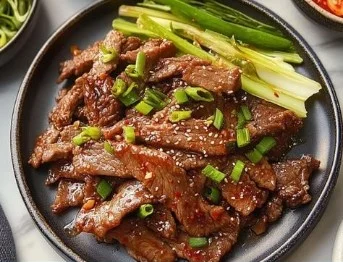
As the server placed the steaming plate in front of me, I could hardly contain my anticipation. The beef glistened, marinated to perfection in a rich mixture of soy sauce, sesame oil, and garlic—each ingredient promising an explosion of umami. Just that first bite—sweet, savory, and deeply flavorful—took me on a culinary journey I’d never forget. Each slice melted in my mouth, complemented by the perfect hint of sweetness and spice that lingered long after. In that moment, I knew I had to recreate that magic in my own kitchen.
Korean Beef Bulgogi has since become a staple in my home. It’s not just a dish; it’s a bridge to memories, family gatherings, and that cherished sense of connection we all crave. The joy of sharing a home-cooked meal is unparalleled, and with this recipe, I hope to spread that joy to your table, just as my grandmother did for me.
Flavor and Popularity
The Unique Flavor Profile of Korean Beef Bulgogi
Korean Beef Bulgogi is a glorious celebration of flavors that make this dish an unforgettable masterpiece. The vibrant marinade, rich in soy sauce, sesame oil, garlic, and ginger, creates a symphony of sweet and savory notes, perfectly complemented by the earthy undertones of scallions and the fragrant kick of black pepper. Each element harmonizes beautifully, infusing the tender beef with that quintessential umami flavor we all crave.
The magic doesn’t stop at the marinade. When you cook the bulgogi, whether it’s on a sizzling grill or in your trusty skillet, the high heat caramelizes the sugars in the marinade. This creates a delightful char that enhances the flavor profile, adding depth and a slight smokiness to the dish. Picture this: succulent slices of beef, perfectly cooked, embodying that sweet-savory balance that dances on your palate.
Why This Recipe Is a Family Favorite and Crowd-Pleaser
Korean Beef Bulgogi isn’t just popular in my home because it’s delicious; it’s a recipe that brings us together. There’s something magical about setting a platter of marinated beef in front of family and friends, inviting everyone to enjoy a meal family-style. It’s not just food; it’s a shared experience, enhanced by the laughter and conversation that happen around the table.
In our family, it’s a dish filled with nostalgia—just like my grandmother’s garlic mushrooms, which I still whip up to this day. When my girls come home, the kitchen buzzes with life. The sizzling of the bulgogi takes center stage, creating a warm, inviting atmosphere that echoes with stories of our past. Each bite reminds us of gatherings—be it a holiday, a birthday, or simply an ordinary Wednesday night turned special. Trust me, when you serve this Korean Beef Bulgogi, you’ll see it become a new favorite, cherished and requested for years to come.
Ingredients and Preparation
Essential Ingredients and Possible Substitutions
To create authentic Korean Beef Bulgogi, you’ll need fresh, quality ingredients that bring the dish to life. Here’s what’s essential for making this dish shine, along with some easy substitutions you can make.
-
Beef: Look for thinly sliced ribeye or sirloin for maximum tenderness. If these cuts aren’t available, flank steak is a great alternative. Just be sure to slice against the grain for tender bites.
-
Soy Sauce: This savory staple is the backbone of the marinade. For a gluten-free version, use tamari.
-
Sesame Oil: This fragrant oil adds a nutty flavor that is signature to bulgogi. If you’re out of sesame oil, opt for olive oil in a pinch.
-
Garlic and Ginger: Fresh is best, but if you run out, garlic powder and ground ginger can work in smaller amounts.
-
Sweetener: Brown sugar or honey provides that desired sweetness. Maple syrup works as a lovely alternative for a different depth of flavor.
-
Scallions: These add a fresh, green note to the dish. If these aren’t handy, you can substitute with chopped onions or chives.
-
Black Pepper: Simply season to taste to bring out the flavors without overpowering the dish.
Step-by-Step Recipe Instructions with Tips
Now that you’ve gathered your ingredients, let’s dive into making this delightful dish. Follow these step-by-step instructions for perfectly cooked Korean Beef Bulgogi—trust me, it’s simpler than you think!
-
Prepare the Marinade:
In a mixing bowl, combine 1/4 cup of soy sauce, 2 tablespoons of sesame oil, 2 tablespoons of brown sugar, and 3 cloves of minced garlic. Add 1 teaspoon of freshly grated ginger and a dash of black pepper. Whisk until everything blends together. -
Marinate the Beef:
Slice 1 pound of boneless ribeye or sirloin thinly against the grain. Place the beef in a zip-top bag or a shallow dish and pour the marinade over it. Mix well and let it marinate in the refrigerator for at least 30 minutes (or up to overnight for deeper flavor). -
Preheat Your Cooking Surface:
If using a grill, preheat it to medium-high heat. If you’re using a skillet, heat a splash of sesame oil over medium-high heat until it shimmers. -
Cook the Beef:
Work in batches if necessary. For a grill, place the marinated beef directly on the grill grates and cook for about 2-3 minutes per side, or until it reaches your desired doneness. If cooking in a skillet, add the marinated beef and sear it for about 4-6 minutes, stirring occasionally, until browned. -
Garnish and Serve:
Once cooked, garnish with chopped scallions and sesame seeds for an added crunch. Serve hot with a side of rice, lettuce wraps, or kimchi for a complete meal.
Cooking Techniques and Tips
How to Cook Korean Beef Bulgogi Perfectly
Cooking Korean Beef Bulgogi is an art, but with a few tips, you can master the technique effortlessly. Using thinly sliced beef ensures quick cooking, preventing it from becoming tough. High heat is crucial; this not only caramelizes the marinade but maintains the beef’s juiciness. Lastly, don’t overcrowd the pan or grill. Cooking in batches allows for that coveted sear, enhancing the flavor.
Common Mistakes to Avoid
Avoid the pitfall of overcooking your beef. It should be juicy and tender, not chewy and dry. Marinate for the right amount of time—30 minutes is great, but if you can prep it the night before, the flavors will be even more delicious. Also, resist the urge to skip garnishes; a sprinkle of scallions and sesame seeds truly elevate the dish.
Health Benefits and Serving Suggestions
Nutritional Value of Korean Beef Bulgogi
Korean Beef Bulgogi is not only delicious but offers some noteworthy nutritional benefits. The lean cuts of beef provide essential protein, supporting muscle growth and repair. Garlic and ginger lend their anti-inflammatory and antioxidant properties, while the sesame oil and scallions contribute healthy fats and vitamins.
When prepared with vegetables like bell peppers or broccoli on the side, this dish can transform into a nutrient-rich meal, balancing out the savory sweetness of the bulgogi beautifully.
Best Ways to Serve and Pair This Dish
Korean Beef Bulgogi shines best when served alongside a bowl of fluffy steamed rice or in a lettuce wrap, allowing the juicy beef to take center stage. Add a side of kimchi for that fermented crunch, or whip up a simple cucumber salad for a refreshing contrast. You could also serve it with a warm soup or some garlic mushrooms—my family’s favorite—for a delightful meal that feels complete.
To drink, a light lager or a crisp white wine can complement the savory flavors beautifully, making each bite even more enjoyable.
FAQ Section
What type of mushrooms are best for Korean Beef Bulgogi?
When pairing with Korean Beef Bulgogi, shiitake mushrooms are often favored for their earthy flavor and meaty texture. Other great options include oyster mushrooms or even button mushrooms, depending on what’s available. Just sauté them briefly to bring out their natural flavors.
Can I use dried garlic instead of fresh?
While fresh garlic provides the best punch, you can use dried garlic if necessary. Keep in mind that dried garlic is more concentrated—use about 1/4 teaspoon for each clove, tasting as you go to ensure the flavor is right.
How do I store leftover Korean Beef Bulgogi?
Store any leftover Korean Beef Bulgogi in an airtight container in the refrigerator for up to 3 days. To reheat, gently warm it in a skillet over low heat. Add a splash of water if it seems dry to bring back that juicy, tender texture.
Can I freeze Korean Beef Bulgogi?
Absolutely! Freezing is a fantastic option to keep your bulgogi fresh. Place the cooled, cooked beef in a freezer-safe container, and it can last up to 3 months. Thaw it overnight in the fridge before reheating, and enjoy!
Conclusion
If you’re like me and believe that food is about connection and joy, making Korean Beef Bulgogi will infuse your kitchen with warmth and love. Each step throughout the preparation brings you closer not just to a flavorful meal but to memories waiting to be made around the dinner table. There’s something comforting about gathering those closest to you, sharing stories, and passing along delicious dishes that will surely be requested again and again. Trust me, once you make this recipe, you’ll find it’s a jewel in your culinary life. So roll up your sleeves, grab your ingredients, and let the sizzle of Korean Beef Bulgogi transform your evening into something magical!
Print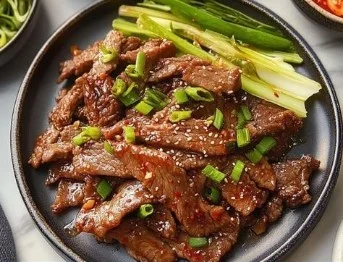
Korean Beef Bulgogi
A delicious and flavorful Korean dish made with tender marinated beef, perfect for family gatherings.
- Total Time: 20 minutes
- Yield: 4 servings
Ingredients
- 1 pound thinly sliced ribeye or sirloin
- 1/4 cup soy sauce
- 2 tablespoons sesame oil
- 2 tablespoons brown sugar
- 3 cloves minced garlic
- 1 teaspoon freshly grated ginger
- Dash of black pepper
- Chopped scallions for garnish
- Sesame seeds for garnish
Instructions
- Prepare the marinade: In a mixing bowl, combine soy sauce, sesame oil, brown sugar, minced garlic, ginger, and black pepper. Whisk until blended.
- Marinate the beef: Place the sliced beef in a zip-top bag or shallow dish, pour the marinade over it, mix well, and let it marinate in the fridge for at least 30 minutes.
- Preheat your cooking surface: Heat the grill to medium-high or heat a splash of sesame oil in a skillet over medium-high heat.
- Cook the beef: Grill for about 2-3 minutes per side or sear in a skillet for about 4-6 minutes until browned.
- Garnish and serve: Top with chopped scallions and sesame seeds. Serve hot with rice, lettuce wraps, or kimchi.
Notes
Cooking in batches prevents overcrowding for better searing. Ensure the beef is cooked to juicy tenderness, avoiding overcooking.
- Prep Time: 10 minutes
- Cook Time: 10 minutes
- Category: Main Course
- Method: Grilling
- Cuisine: Korean
- Diet: Dairy-Free, Gluten-Free


 saralog

 carla
carla