 carla
carlaIt was a chilly evening in Asheville, and the leaves were beginning to dance with the whispers of early autumn. I remember the first time I tried my hand at making Homemade Lo Mein Noodles. I could almost hear my grandmother’s voice in the back of my mind, guiding me through the steps as she did in her tiny kitchen. The smell of sautéed garlic and earthy mushrooms filled the air, wrapping around me like a warm hug.
I took my time, kneading the dough between my fingers and feeling the magic happen. Making Homemade Lo Mein Noodles is more than just a recipe; it’s a connection to my roots, a thread that weaves through generations of love and laughter. I tossed the silky noodles in my favorite skillet, adding bright vegetables that mirrored the colors of our Carolina sunsets. With each stir, I felt a sense of accomplishment and joy. It brought my family together at the dinner table, where we shared stories and memories, all over that delicious dish.
There’s something about Homemade Lo Mein Noodles that speaks to my soul. It’s comforting, satisfying, and carries a punch of flavor that can elevate a simple meal into something extraordinary. Whether it’s a weeknight dinner or a weekend gathering, this dish has a way of drawing everyone in, inviting them to share in the love that goes into every bite.
Flavor and Popularity
The Unique Flavor Profile of Homemade Lo Mein Noodles
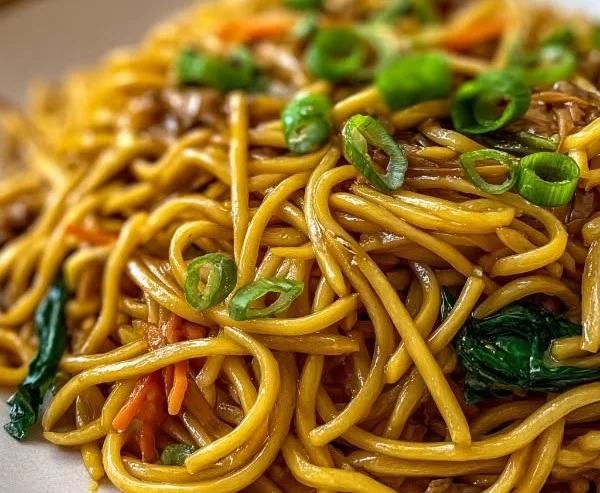
Homemade Lo Mein Noodles offer a delightful symphony of flavors that come together beautifully. The noodles have a soft, chewy texture that serves as the perfect vehicle for an array of other ingredients. When you toss them with garlic-infused oil, earthy mushrooms, crisp bell peppers, and vibrant carrots, each bite brings a burst of umami flavor that is both hearty and refreshing.
The key to achieving this mouthwatering profile lies in the balance of ingredients. You’ll want to include fresh vegetables that not only add nutrients but also provide a crunchy contrast to the tender noodles. Sautéing these vegetables until they are just tender brings out their sweetness, enhancing the overall dish. A splash of soy sauce rounds it all off, providing that savory punch that makes you want to dive back in for “just one more bite.”
Why This Recipe Is a Family Favorite and Crowd-Pleaser
Homemade Lo Mein Noodles have a special place in my family’s heart. It’s the go-to meal for celebrations and casual weeknight dinners alike. The beauty of this dish lies in its versatility; it can be tailored to individual tastes, making it a true crowd-pleaser. Whether you’re loading it up with colorful veggies or adding protein like chicken, shrimp, or tofu, everyone finds something to love in this dish.
In our home, it’s not just about the food. Each bowl of Homemade Lo Mein Noodles sparks laughter and warmth around the table. It’s a tradition that carries a wealth of memories, filled with shared stories and mouthfuls of joy. When I make this dish, I know I’m not just nourishing my family; I’m creating an experience that we cherish together.
Ingredients and Preparation
Essential Ingredients and Possible Substitutions
To prepare a delicious batch of Homemade Lo Mein Noodles, gather these essential ingredients:
- All-purpose flour: This creates the chewy base that we adore.
- Water: A little warmth helps bring the dough together.
- Salt: Enhances flavor and strength in the dough.
- Fresh vegetables: Carrots, bell peppers, snap peas, and mushrooms add color and crunch.
- Soy sauce: For that savory depth.
- Garlic: Fresh minced garlic elevates the aroma and flavor.
- Optional protein: Chicken, shrimp, or tofu, depending on your preference.
If you find yourself missing an ingredient, don’t fret! Feel free to substitute all-purpose flour with whole wheat flour for a slightly nutty flavor. You can use a mix of fresh veggies based on what you have on hand; zucchini, broccoli, or bok choy are wonderful alternatives. In place of soy sauce, tamari is a great gluten-free option, and for a kick of heat, a splash of chili oil brings delightful warmth.
Step-by-Step Recipe Instructions with Tips
-
Make the Dough: Start by combining the flour, salt, and warm water in a bowl. Knead until smooth and pliable. Let it rest covered for at least 30 minutes. This step is essential for the texture.
-
Roll It Out: Once rested, divide the dough into smaller portions. Roll each portion out as thinly as possible. You can use a pasta machine for even results if you have one.
-
Cut the Noodles: Use a sharp knife to cut the rolled dough into thin strips. Dust with flour to prevent sticking.
-
Cook the Noodles: Boil a pot of water and cook the noodles for about 2-3 minutes until they are tender but still firm. Drain and toss with a little oil to keep them from sticking.
-
Sauté the Vegetables: In a skillet, heat some oil and add minced garlic, allowing it to become fragrant. Toss in a mix of your fresh vegetables and cook until they are vibrant and just tender.
-
Combine: Add the cooked noodles to the skillet, then drizzle soy sauce over the top. Toss everything together, ensuring the noodles absorb that rich flavor.
-
Serve Hot: Plate the noodles and garnish with green onions or sesame seeds, if desired.
Cooking homemade Lo Mein Noodles is an adventure in flavors, and it’s the kind of recipe that offers space for creativity while remaining rooted in tradition.
Cooking Techniques and Tips
How to Cook Homemade Lo Mein Noodles Perfectly
For perfectly cooked Homemade Lo Mein Noodles, remember these tips:
- Follow Resting Time: Allow the dough to rest properly. Patience is key to developing that perfect chewy texture.
- Thin Is In: Roll out the dough as thin as possible. The thinner, the more delicate the final noodles will be.
- Don’t Overcook: Boil the noodles just until tender; they will cook a bit more when you sauté them.
Common Mistakes to Avoid
When making Homemade Lo Mein Noodles, here are a few common pitfalls to steer clear of:
- Skipping Salt: Don’t overlook the salt in the dough; it’s crucial for flavor.
- Drying Out: Protect your uncooked noodles with flour to prevent them from sticking together. A thin dusting of flour works wonders.
- Overcrowding the Pan: When sautéing, give the vegetables enough space to crisp up instead of steaming.
Health Benefits and Serving Suggestions
Nutritional Value of Homemade Lo Mein Noodles
Homemade Lo Mein Noodles not only delight the taste buds, but they also pack a nutritional punch. Whole grain flour boosts fiber content, while the colorful array of vegetables adds essential vitamins and minerals. When you incorporate proteins like chicken or tofu, you elevate the dish’s nutritional value further, making it a well-rounded meal.
Best Ways to Serve and Pair This Dish
You can serve your Homemade Lo Mein Noodles as a main dish or a delightful side. Pair them with your favorite main protein — think grilled chicken or crispy sautéed shrimp. For a lighter meal, serve with a simple green salad dressed in a ginger-soy vinaigrette. You can also add a side of spring rolls or dumplings to create a beautiful spread that will impress any guest.
FAQ Section
What type of mushrooms are best for Homemade Lo Mein Noodles?
For a depth of flavor, shiitake mushrooms are fantastic in Homemade Lo Mein Noodles. Their earthy richness complements the noodles beautifully. You can also use button or oyster mushrooms based on availability or personal preference.
Can I use dried garlic instead of fresh?
While fresh garlic provides a more robust flavor, you can substitute with dried garlic if needed. Use about one-third of the amount since dried garlic is more concentrated. Just remember, fresh is always best when you can get it!
How do I store leftover Homemade Lo Mein Noodles?
To store leftover Homemade Lo Mein Noodles, cool the dish to room temperature and transfer it to an airtight container. It will keep in the fridge for about 3-4 days. When reheating, add a splash of water or sauce to prevent it from drying out.
Can I freeze Homemade Lo Mein Noodles?
Yes! You can freeze Homemade Lo Mein Noodles for future meals. After cooking, let the noodles cool completely before placing them in a freezer-safe container. They will maintain their flavor for up to a month. When you’re ready to eat, just defrost and reheat in a skillet with a little oil.
As I wrap up my thoughts, I can’t help but smile at the memories created over a plate of Homemade Lo Mein Noodles. If you’re like me and find joy in the act of cooking, I urge you to dive into this recipe. There’s something comforting about the feel of dough in your hands and the aroma of garlic wafting through your home. Trust me, you’ll want to make this again and again, sharing it with the ones you love. It’s more than a meal; it’s a little piece of happiness served right on your plate.
Print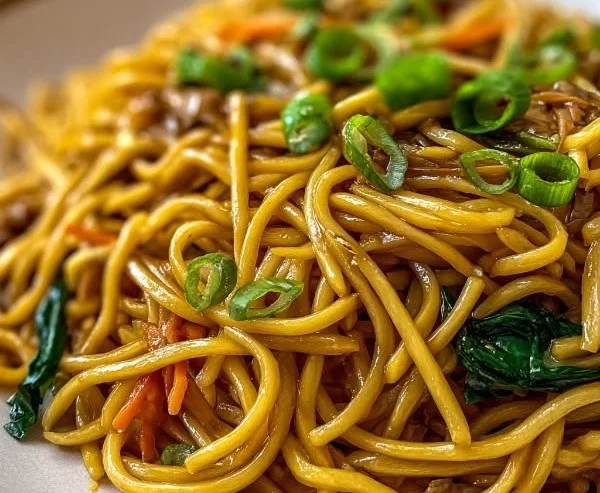
Homemade Lo Mein Noodles
Delicious and comforting homemade Lo Mein noodles with fresh vegetables and garlic-infused flavor.
- Total Time: 30 minutes
- Yield: 4 servings
Ingredients
- 2 cups all-purpose flour
- 1/2 cup warm water
- 1/2 teaspoon salt
- 1 cup fresh vegetables (carrots, bell peppers, snap peas, mushrooms)
- 3 tablespoons soy sauce
- 2 cloves garlic, minced
- Optional protein (chicken, shrimp, or tofu)
Instructions
- Make the dough: Combine flour, salt, and warm water in a bowl. Knead until smooth and let it rest covered for 30 minutes.
- Roll it out: Divide the dough into smaller portions and roll each portion as thinly as possible.
- Cut the noodles: Use a sharp knife to cut the rolled dough into thin strips, dusting with flour to prevent sticking.
- Cook the noodles: Boil a pot of water and cook the noodles for 2-3 minutes until tender, then drain and toss with oil.
- Sauté the vegetables: Heat oil in a skillet, add minced garlic, then toss in fresh vegetables and cook until vibrant and just tender.
- Combine: Add the cooked noodles to the skillet, drizzle soy sauce over, and toss everything together.
- Serve hot: Plate the noodles, garnish with green onions or sesame seeds if desired.
Notes
For a twist, substitute all-purpose flour with whole wheat flour. Add chili oil for some heat.
- Prep Time: 15 minutes
- Cook Time: 15 minutes
- Category: Main Course
- Method: Baking
- Cuisine: Asian
- Diet: Vegetarian


 saralog
 carla
carla