 carla
carlaThere are moments in life when a dish pulls you back into cherished memories, warming your heart like a favorite family photo. For me, one such experience revolves around Korean Beef Bulgogi. The first time I tried this dish was at a little Korean restaurant tucked away in the bustling streets of my neighborhood. I remember walking in, the enticing aroma of marinated meat sizzling on a hot grill enveloped me like a comforting blanket. The first bite of that tender, flavorful beef was nothing short of revelatory; the sweet and savory marinade danced on my palate, bringing forth memories of my grandmother’s kitchen where love was mixed into every dish she prepared. The soft crunch of vegetables paired with the umami richness of the beef made it a simple yet extraordinary affair—a perfect reflection of the family gatherings I so adored. Since then, Korean Beef Bulgogi has become a staple in my home, a dish that not only satisfies the taste buds but brings joy to those who gather around my table.
Flavor and Popularity
Korean Beef Bulgogi has captured the hearts and palates of many for good reason. The unique flavor profile combines the earthy notes of sesame oil, the sweetness of pear or sugar, and the umami depth of soy sauce. Each bite offers a burst of flavors that come together in a harmonious blend that is distinctly Korean yet approachable for many. This beloved dish, often seen as a comfort food, has found its way into homes far beyond Korea’s borders, and it’s easy to see why.
The secret to its popularity lies not just in its taste but also in its versatility. Korean Beef Bulgogi can be enjoyed as part of a lavish feast or a simple weeknight dinner. It’s a family favorite, capable of impressing guests at gatherings while remaining uncomplicated enough for a quick meal after a long day. The vibrant mix of freshness, warmth, and community evokes feelings of connection, reminding me of my own roots.
The Unique Flavor Profile of Korean Beef Bulgogi
At its core, Korean Beef Bulgogi sings with a unique flavor profile that elevates it above other meat dishes. The marinade typically includes soy sauce, sugar, sesame oil, garlic, and ginger, creating a perfect balance of sweet, savory, and peppery notes. The use of Asian pear, which adds a subtle sweetness and tenderizes the meat, is a true game-changer. It’s this delightful combination that makes the beef remarkably tender while imparting a nuanced flavor that tantalizes the taste buds.
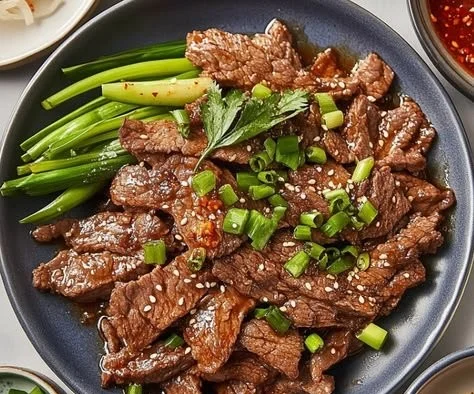
As the beef cooks, the marinade caramelizes, creating a slightly sticky glaze that coats each piece of meat. The addition of sesame seeds and green onions on top not only enhances the dish’s visual appeal but also adds a lovely crunch and freshness. This layered complexity keeps each bite from feeling mundane; there’s always a new note to discover, soothing the soul and satisfying hunger.
Why This Recipe Is a Family Favorite and Crowd-Pleaser
In my home, Korean Beef Bulgogi is more than just a meal; it’s a tradition that brings everyone together. I often prepare it for family gatherings, and without fail, it receives rave reviews. The beauty of this dish is its simplicity—the marinade does most of the heavy lifting, making it a stress-free option for a crowd. I can whip it up on a busy weekday or serve it during festive occasions, and each time, it feels special. Children adore it, parents reminisce over their childhood memories, and friends can’t help but come back for seconds.
It’s also a versatile dish. You can serve it over a bed of steaming rice, wrap it in crisp lettuce leaves, or even toss it with noodles for a delightful stir fry. It seamlessly adapts to whatever mood or occasion you have, bridging culinary cultures and connecting loved ones through shared experience and delicious food.
Ingredients and Preparation
Essential Ingredients and Possible Substitutions
To make Korean Beef Bulgogi, gather these essential ingredients that yield a fantastic flavor with each bite:
- Thinly sliced beef: Choose tender cuts like sirloin or ribeye for the best texture.
- Soy sauce: Opt for low-sodium soy sauce for taste without the excess salt.
- Sugar: Brown sugar or honey adds sweetness and depth while helping with caramelization.
- Sesame oil: A key ingredient that provides nuttiness; toasted sesame oil is a lovely twist.
- Garlic and ginger: These fresh aromatics enhance the overall flavor profile dramatically.
- Asian pear: This natural tenderizer adds sweetness; if you can’t find it, try a sweet apple.
- Green onions and toasted sesame seeds: Ideal for garnish, adding color and crunch.
If you’re looking for substitutions, don’t fret! You can use flank steak or even chicken if beef isn’t accessible. Agave syrup can replace sugar if you prefer a healthier option. For a vegetarian or vegan twist, try using tofu or mushrooms instead, marinating them to integrate those amazing flavors.
Step-by-Step Recipe Instructions with Tips
-
Marinate the Meat: Start by combining soy sauce, brown sugar, sesame oil, minced garlic, grated ginger, and sliced Asian pear in a bowl. Add the thinly sliced beef and mix well, making sure each piece is coated. Let it marinate for at least 30 minutes—ideally, a few hours or overnight for maximum flavor.
-
Prepare Your Pan: Heat a skillet over medium-high heat. You can add a bit of oil for extra flavor, though the meat will release its juices.
-
Cook the Beef: Once your pan is hot, add the marinated beef in a single layer, keeping some space between pieces for even cooking. You might need to do this in batches if you’re making a larger quantity. Sauté the beef for about 2-3 minutes on each side until it’s nicely caramelized.
-
Add Aromatics: As the beef cooks, toss in some sliced onions and additional garlic, sautéing briefly until they soften and meld with the beef, enhancing the aroma.
-
Serve and Garnish: Once the beef is cooked through, remove it from the heat. Serve it with a sprinkle of green onions and toasted sesame seeds on top.
-
Pair It Right: Korean Beef Bulgogi pairs perfectly with short-grain rice, kimchi, and a side of spicy pickled vegetables for a full Korean experience!
Cooking Korean Beef Bulgogi requires a little bit of love and patience, but trust me, every moment spent coaxing flavors into your ingredients pays off tremendously.
Cooking Techniques and Tips
How to Cook Korean Beef Bulgogi Perfectly
To achieve the utmost tenderness and flavor in your Korean Beef Bulgogi, here are some handy tips:
- Cut Against the Grain: When slicing the beef, always do so against the grain to ensure tenderness.
- Don’t Overcrowd the Pan: Giving each piece space allows for proper caramelization without steaming.
- High Heat Is Key: Searing the beef at a high temperature ensures a beautiful glaze while also sealing in the juices.
- Let It Rest: After cooking, let the beef sit for a few minutes before serving. This allows the juices to redistribute, resulting in a juicier bite.
Common Mistakes to Avoid
- Avoid marinating the beef for too long, as acidic ingredients can start to break down the meat too much, resulting in a mushy texture.
- Don’t skip the garnishes! The toasted sesame seeds and green onions are more than just decorations; they add essential texture and flavor.
- Make sure you are using a hot enough skillet when cooking. A lackluster pan can lead to stewed meat rather than beautifully charred pieces.
Health Benefits and Serving Suggestions
Nutritional Value of Korean Beef Bulgogi
Korean Beef Bulgogi can actually be a healthy part of your diet when enjoyed in moderation. Lean cuts of beef provide a good source of protein, iron, and vitamin B12, while the garlic and ginger contribute immune-boosting properties.
Moreover, when paired with vegetables, you enhance the nutrient profile of the meal. Fill your plate with fresh greens, pickled vegetables, or a colorful side salad to create a balanced dish that delights the palate and nourishes the body.
Best Ways to Serve and Pair This Dish
While Korean Beef Bulgogi is delicious on its own, serving it with the right accompaniments can elevate it to an unforgettable experience:
- Over Rice: Serve the bulgogi over a bed of sticky short-grain rice to absorb all those flavors.
- In Lettuce Wraps: For a lighter meal, wrap the beef in fresh, crisp lettuce leaves with a dollop of spicy gochujang or ssamjang for an added kick.
- With Noodles: Tossed with some cooked noodles and a sprinkle of sesame seeds, this dish easily transforms into a comforting bowl of goodness.
- Great for Meal Prep: Leftovers can be conveniently added to stir-fries, sandwiches, or salads, making it a versatile option for busy weeks ahead.
FAQ Section
What type of mushrooms are best for Korean Beef Bulgogi?
If you want to add mushrooms to your Korean Beef Bulgogi, shiitake or enoki mushrooms work beautifully. They soak up the marinade’s flavors and add a lovely, chewy texture to the dish.
Can I use dried garlic instead of fresh?
While dried garlic can be an alternative, I recommend using fresh garlic for its vibrant flavor and aroma, which really enhances the bulgogi.
How do I store leftover Korean Beef Bulgogi?
To store leftovers, let the beef cool and transfer it to an airtight container. It should stay fresh in the fridge for up to three days.
Can I freeze Korean Beef Bulgogi?
Absolutely! You can freeze the marinated beef beforehand or freeze leftovers after cooking. Just ensure it’s sealed tightly to avoid freezer burn, and it will last for about three months.
Conclusion
As I whip up Korean Beef Bulgogi in my kitchen, a sense of comfort envelops me. If you’re like me, you find joy in creating meals that allow you to connect with loved ones and reflect fond memories. There’s something inherently comforting about cooking with heart, and this dish epitomizes that spirit. The combination of flavors and textures makes it a repeat visitor at my table, cherished for its warmth and nostalgia. Trust me, you’ll want to make this again and again; each time, it brings new joy and deeper connections around your dining table. So go ahead, gather your ingredients, and bring a taste of Korea into your home—your family will thank you for it!
Print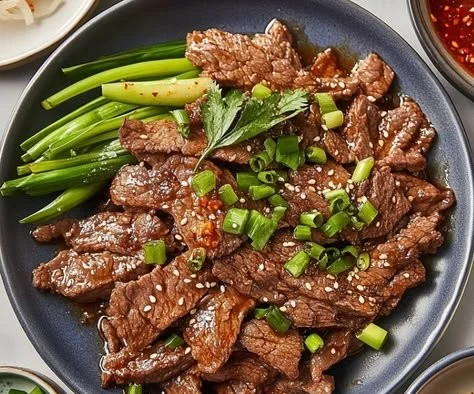
Korean Beef Bulgogi
A tender and flavorful Korean dish featuring marinated beef, perfect for family gatherings.
- Total Time: 40 minutes
- Yield: 4 servings
Ingredients
- 1 lb thinly sliced beef (sirloin or ribeye)
- 1/4 cup low-sodium soy sauce
- 2 tbsp brown sugar
- 2 tbsp sesame oil
- 3 cloves garlic, minced
- 1 tbsp ginger, grated
- 1 Asian pear, thinly sliced (or a sweet apple)
- 2 green onions, sliced (for garnish)
- 1 tbsp toasted sesame seeds (for garnish)
Instructions
- Marinate the meat: Combine soy sauce, brown sugar, sesame oil, minced garlic, grated ginger, and sliced Asian pear in a bowl. Add beef and mix well, coating each piece. Let it marinate for at least 30 minutes.
- Prepare your pan: Heat a skillet over medium-high heat, adding a bit of oil if desired.
- Cook the beef: Add marinated beef in a single layer and sauté for 2-3 minutes on each side until caramelized.
- Add aromatics: Toss in sliced onions and additional garlic, sautéing briefly until they soften.
- Serve and garnish: Remove beef from heat and sprinkle with green onions and sesame seeds.
Notes
Serve with short-grain rice, kimchi, and pickled vegetables for a complete Korean experience.
- Prep Time: 30 minutes
- Cook Time: 10 minutes
- Category: Main Course
- Method: Sautéing
- Cuisine: Korean
- Diet: Paleo


 carla
carla
 saralog