 saralog
Korean Pork Belly has a special place in my heart, woven into the fabric of my culinary memories. I recall the first time I tasted it, a warm and lively gathering in my friend’s home, where the air was filled with the tantalizing aroma of sizzling pork belly mingling with garlic and sesame oil. As a home cook who thrives on joy and connection, I remember feeling that this dish was more than just food; it was an experience, a means to bring people together. My friend invited everyone into the kitchen, where strips of luscious, buttery pork belly danced on a hot skillet, glistening and caramelizing until they reached perfection. I could hardly wait to get a taste.
When that first bite burst in my mouth—meltingly tender with a hint of sweetness and umami—I knew I had discovered something extraordinary. Sitting around the table, surrounded by laughter and chatter, I understood how Korean Pork Belly had the magic to turn any ordinary meal into a celebration. This experience awakened my curiosity, leading me to explore different ingredients, techniques, and flavors. Since then, I’ve made it my mission to recreate that joy by cooking Korean Pork Belly for my family and friends whenever I can. It’s driven by love, nostalgia, and a sense of connection that I hope to share with you!
Flavor and Popularity
The Unique Flavor Profile of Korean Pork Belly
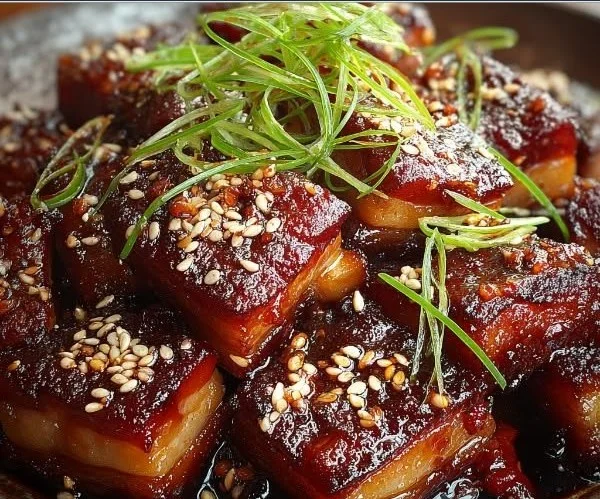
Korean Pork Belly, or "Samgyeopsal," is a dish that captivates the palate with its rich and diverse flavors. The magic begins with the pork belly itself—a cut known for its generous layers of meat and fat, delivering a satisfying melt-in-your-mouth experience. When cooked, the outer layer develops a crispy glaze, while the interior remains juicy and tender.
The secret lies in the marinade, often featuring a beautiful blend of soy sauce, sugar, garlic, sesame oil, and pepper. This mixture creates an indescribable harmony of salty, sweet, and nutty flavors that dances on your taste buds. The earthy notes of fresh garlic and the warmth of black pepper enhance the richness of the pork belly, making every bite an adventure. Add to that some vibrant scallions and a sprinkle of sesame seeds, and you have a dish that looks as good as it tastes.
Each crucial ingredient contributes to the overall experience—an aromatic mix that fills the kitchen and beckons everyone to gather. You can serve Korean Pork Belly with lettuce leaves, fresh herbs, and a spicy dipping sauce, allowing you to customize each bite, bringing an element of fun and creativity to the table. Beyond its sensational taste, it’s a dish celebrated in Korea, often enjoyed on celebratory occasions and BBQ gatherings, marking it as a culinary star.
Why This Recipe Is a Family Favorite and Crowd-Pleeaser
Korean Pork Belly has an undeniable appeal that makes it a family favorite and a crowd-pleaser. Its interactive nature is one of the most delightful facets of this dish. When serving, you transform your dining table into a mini-Korean barbecue right at home. Guests can assemble their own wraps, selecting their favorite accompaniments—whether it be crunchy pickles, spicy kimchi, or a dollop of ssamjang (a thick, savory paste).
In our home, Korean Pork Belly has become synonymous with good times and laughter. Each gathering feels like a special occasion when I bring it to the table; it’s always met with smiles and happy chatter. There’s something about the communal experience of cooking and enjoying this dish that fosters connection among friends and family. Whether you’re celebrating a birthday, hosting a casual get-together, or just wanting to make an ordinary weeknight feel special, this dish uplifts the mood and fills the heart.
Ingredients and Preparation
Essential Ingredients and Possible Substitutions
To recreate that flavorful Korean Pork Belly experience, you’ll want to gather a few essential ingredients. Here’s what you’ll need:
- Pork Belly: Look for good quality pork belly with a nice balance of fat and meat. If you can’t find pork belly, thick-cut pork shoulder or beef short ribs could be suitable alternatives, though they will yield different textures.
- Soy Sauce: It’s the backbone of the marinade, responsible for that lovely umami flavor. Use low-sodium soy sauce if you’re watching your salt intake.
- Brown Sugar: This adds that subtle sweetness and caramelization when cooked. You can substitute with honey or maple syrup for a twist.
- Garlic: Fresh minced garlic is a must for the marinade. If fresh is not available, garlic powder can work in a pinch, but the flavor may not be as robust.
- Sesame Oil: This nutty oil rounds out the marinade beautifully. If you’re looking for a lighter option, consider using canola oil with a teaspoon of sesame seeds for flavor.
- Black Pepper: Freshly cracked pepper gives the dish a little kick—feel free to adjust to your taste.
Step-by-Step Recipe Instructions with Tips
Now, let’s dive into the preparation. Follow these simple steps to create your mouthwatering Korean Pork Belly:
-
Prepare the Marinade: In a medium bowl, combine ¼ cup of soy sauce, 2 tablespoons of brown sugar, 4 cloves of minced garlic, a teaspoon of sesame oil, and freshly cracked black pepper. Whisk until the sugar is dissolved.
-
Marinate the Pork Belly: Slice the pork belly into pieces, about 1-inch thick, ensuring you capture some of the fat and meat ratio. Place the pork belly in a zip-top bag or shallow dish, pouring the marinade over it. Let it marinate for at least 30 minutes; if time allows, refrigerate for a few hours for deeper flavor.
-
Heat the Skillet: Preheat a frying pan or cast-iron skillet over medium-high heat. Once hot, add the marinated pork belly strips—allow each piece to sear for about 4-5 minutes on each side until beautifully caramelized.
-
Finish and Serve: Once cooked through, transfer the pork belly to a platter. Sprinkle with chopped scallions and toasted sesame seeds.
-
Prepare Accompaniments: Serve with fresh lettuce leaves, sliced garlic, and a spicy dipping sauce made with ssamjang and gochujang, if you like a punch of heat.
For the best experience, share this feast with family and friends, encouraging everyone to build their own wraps. The interaction turns the meal into a joyous experience—much like the first time I ever enjoyed this dish!
Cooking Techniques and Tips
How to Cook Korean Pork Belly Perfectly
To achieve that irresistible crispy exterior while keeping the interior succulent, it’s essential to watch your cooking temperature. Start with medium-high heat to sear the pork belly and render some of the fat. Be patient; don’t overcrowd the pan, as this can lead to steaming rather than crisping. You may need to cook in batches if you’ve got a larger piece of pork belly.
Common Mistakes to Avoid
One common mistake is trimming too much of the fat off the pork belly. The fat is what makes this cut flavorful and tender, so leave enough to ensure you enjoy the dish’s characteristic richness. Also, ensure you’re not cooking on too low a heat, as that can lead to chewy pork rather than a crispy golden texture.
Health Benefits and Serving Suggestions
Nutritional Value of Korean Pork Belly
While Korean Pork Belly is indulgent, it does deliver some nutritional benefits. Pork, in general, is a good source of protein and essential vitamins such as B12, which promotes red blood cells and keeps your nervous system healthy. When served with fresh vegetables like lettuce, which provides fiber, and herbs, the dish can be a balanced meal option in moderation.
Best Ways to Serve and Pair This Dish
Korean Pork Belly shines when served with a variety of sides. Classic accompaniments include pickled radish, kimchi, and roasted vegetables. For a refreshing touch, include a simple cucumber salad dressed in sesame oil and vinegar. Pairing the dish with rice or Korean-style pancakes also complements the rich flavors beautifully, making for a well-rounded meal.
FAQ Section
What type of mushrooms are best for Korean Pork Belly?
While mushrooms are not a traditional component of Korean Pork Belly, adding sautéed shiitake or oyster mushrooms can deepen the umami flavor. These mushrooms bring an earthy richness that pairs beautifully with the pork’s savory notes.
Can I use dried garlic instead of fresh?
You can use dried garlic in moderation when fresh is out of reach, but keep in mind that fresh garlic offers a more vibrant flavor. If you do use dried, reduce the quantity since dried garlic is stronger than fresh.
How do I store leftover Korean Pork Belly?
Store leftover Korean Pork Belly in an airtight container in the refrigerator for up to 3 days. Reheat gently in the skillet to maintain its tender texture and crispiness.
Can I freeze Korean Pork Belly?
Absolutely! Freezing the cooked Korean Pork Belly is a great option. Ensure it cools down completely, then transfer it to a freezer-safe container or bag. It can last for up to 3 months in the freezer. When you’re ready to enjoy it again, just thaw and reheat gently.
In closing, I hope you feel inspired to recreate the heartwarming experience of Korean Pork Belly in your kitchen. If you’re like me, cooking is a labor of love that brings people together. When you share this dish, you share not just food, but joy, laughter, and connection. Trust me, you’ll want to make this again and again—it has a way of transforming any meal into a cherished memory. Happy cooking, friends!
Print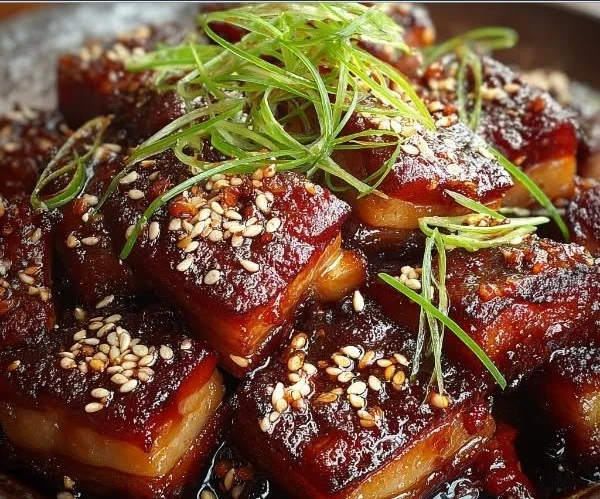
Korean Pork Belly
A heartwarming dish featuring tender, flavorful pork belly marinated in a delightful soy-based sauce, perfect for gatherings.
- Total Time: 40 minutes
- Yield: 4 servings
Ingredients
- 1 pound pork belly, cut into 1-inch thick slices
- 1/4 cup soy sauce
- 2 tablespoons brown sugar
- 4 cloves garlic, minced
- 1 teaspoon sesame oil
- 1 teaspoon black pepper
- Chopped scallions for garnish
- Toasted sesame seeds for garnish
- Lettuce leaves for serving
- Spicy dipping sauce (ssamjang and gochujang) for serving
Instructions
- Prepare the Marinade: In a medium bowl, combine soy sauce, brown sugar, minced garlic, sesame oil, and black pepper. Whisk until the sugar is dissolved.
- Marinate the Pork Belly: Slice the pork belly and place it in a zip-top bag with the marinade. Let it marinate for at least 30 minutes.
- Heat the Skillet: Preheat a frying pan over medium-high heat and add the marinated pork belly strips. Sear for about 4-5 minutes on each side until caramelized.
- Finish and Serve: Transfer the pork belly to a platter and sprinkle with chopped scallions and toasted sesame seeds.
- Prepare Accompaniments: Serve with fresh lettuce leaves and a spicy dipping sauce for a fun dining experience.
Notes
For the best texture, avoid overcrowding the pan when cooking the pork belly.
- Prep Time: 30 minutes
- Cook Time: 10 minutes
- Category: Main Course
- Method: Grilling
- Cuisine: Korean
- Diet: Paleo


 saralog
 carla
carla