 carla
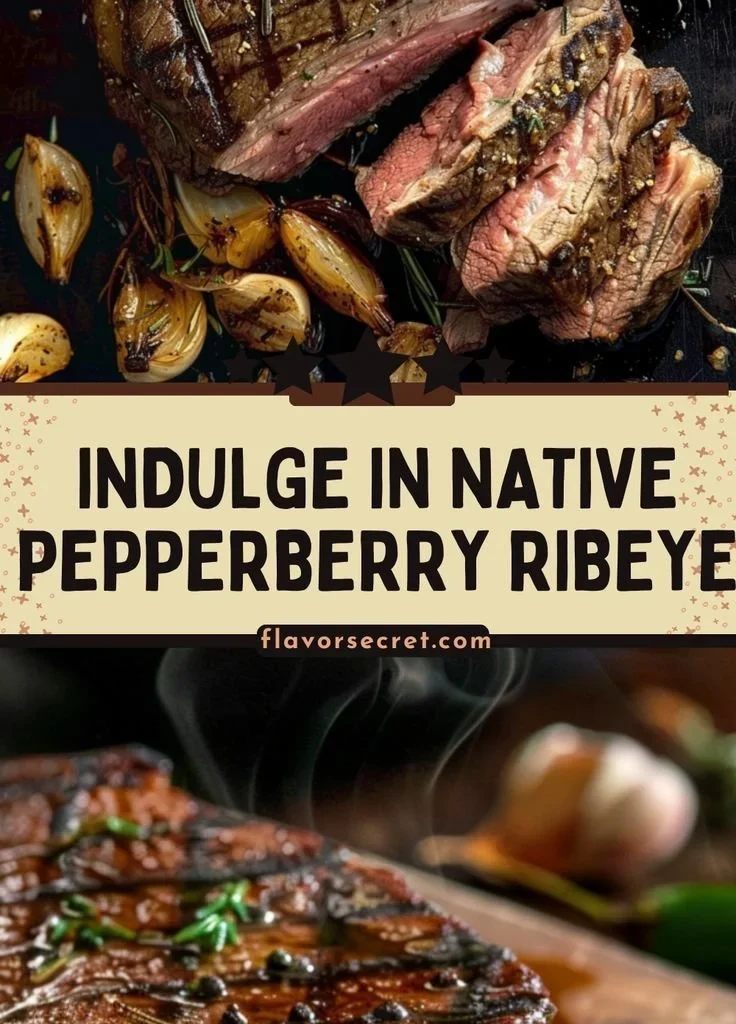
carlaThere’s a magic in the kitchen that I’ve always cherished, a blend of flavors, aromas, and memories that come alive with each dish. One of my fondest recollections revolves around the first time I made a Native Pepperberry Rubbed Ribeye. I had come home one chilly evening to the scent of meat sizzling on the grill, and my heart raced with anticipation. My friends and I gathered on the porch, the late summer sun casting a golden hue across our laughter-filled conversations. I had decided to surprise them with a ribeye steak seasoned with a unique concoction of native pepperberries, an ingredient that I had only recently discovered.
As I liberally rubbed the juicy ribeye with crushed pepperberries—vibrant in color and earthy in aroma—I could feel my grandma’s spirit guiding my hands. The spice mix danced around the marbled meat, promising a depth of flavor that I knew would delight everyone. That first bite was pure joy—the steak was tender and juicy with a kick that brought us all to life. With every bite, we reminisced about the past while making new memories. The Native Pepperberry Rubbed Ribeye wasn’t just dinner; it was an experience.
Time has passed, but that evening stays vivid in my heart, reminding me of the joy of cooking for loved ones and the timeless beauty of sharing a meal. If you’re looking for a dish that brings warmth and exquisite flavor to your table, let this recipe be your guide.
Flavor and Popularity
The Unique Flavor Profile of Native Pepperberry Rubbed Ribeye
Native pepperberries are often celebrated for their complex taste—spicy yet slightly sweet, with an earthy undertone that elevates any dish they touch. When combined with a perfectly cooked ribeye, the flavors meld into something unforgettable. Imagine the rich umami of the steak juxtaposed with the fragrant spice of the pepperberries. It’s a flavor journey that transports you to the heart of the Himalayas, where the berries are harvested, and the spirit of adventure mingles with every bite.
The ribeye, with its well-defined marbling, deserves this impeccable seasoning. The fat within the meat melts during cooking, absorbing the pepperberry rub, resulting in a succulent, tender piece of beef that’s bursting with flavor. You’ll find this dish is not just for the occasional celebration; it’s become a family favorite that turns any dinner into a special occasion.
Why This Recipe Is a Family Favorite and Crowd-Pleaser
Imagine pulling a Native Pepperberry Rubbed Ribeye from the grill, filling the air with a mouth-watering scent that draws everyone to the table. It’s more than just a delicious dish; it’s a ritual that invites connection. In my family, we treasure those mealtime moments filled with stories, laughter, and, occasionally, a little friendly debate over who had the best slice.
When I serve this ribeye, it’s with the knowledge that everyone—friends and family alike—will be reaching for seconds. The unique spice profile has an ability to surprise and delight even the pickiest of eaters, transforming ordinary dinner nights into extraordinary gatherings. Preparing this dish not only fills our bellies but also fuels our hearts with love and joy.
Ingredients and Preparation
Essential Ingredients and Possible Substitutions
To create a scrumptious Native Pepperberry Rubbed Ribeye, you will want to gather a few essential ingredients. Here’s what you need to get started:
- Ribeye steak: Choose a well-marbled cut for the juiciest flavor.
- Native pepperberries: The star ingredient that provides the dish’s distinctive flavor. If unavailable, you can use a mix of black pepper and a dash of smoked paprika as a substitute.
- Sea salt: This enhances the natural flavors and balances the spice.
- Fresh herbs: Such as thyme or rosemary, to add an aromatic lift. If fresh herbs aren’t on hand, dried ones can also work.
- Olive oil or melted butter: This helps the rub adhere to the steak and adds richness.
Feel free to customize this recipe according to dietary needs or preferences. For instance, if you prefer a leaner cut, a sirloin or filet mignon can be delicious alternatives. Just remember to adjust your cooking time based on the thickness of the cut.
Step-by-Step Recipe Instructions with Tips
-
Prepare the Ribeye: Start by allowing your ribeye steak to come to room temperature for about 30 minutes before cooking. This ensures even cooking throughout the meat.
-
Make the Rub: In a small bowl, combine two tablespoons of crushed native pepperberries with one tablespoon of sea salt and a tablespoon of chopped fresh herbs. Mix it well.
-
Season the Steak: Drizzle olive oil or melted butter over the steak. Massage the rub generously onto both sides of the ribeye, ensuring a good coating.
-
Heat Your Grill or Skillet: Preheat your grill or skillet on medium-high heat. If you’re using a skillet, a cast-iron one works wonders for a perfect sear.
-
Cook the Steak: Place the ribeye on the heat. Cook for about 4-5 minutes per side for medium-rare, depending on thickness, until it reaches an internal temperature of about 130°F.
-
Rest the Meat: After cooking, let the steak rest on a cutting board for at least five minutes. This allows the juices to redistribute, making every bite tender and juicy.
-
Slice and Serve: Once rested, slice the ribeye against the grain. This helps in creating bite-sized pieces that melt in your mouth. Pair with sautéed mushrooms or a fresh salad for a complete meal.
Cooking Techniques and Tips
How to Cook Native Pepperberry Rubbed Ribeye Perfectly
Achieving that perfect cook on your Native Pepperberry Rubbed Ribeye hinges on a few key techniques. First, remember that heat is your friend; high heat creates a beautiful sear that locks in flavor and juices. Always use a meat thermometer to ensure doneness; no one likes overcooked steak.
Letting the ribeye rest after grilling is crucial—it’s the secret to juicy steak! Thick-cut meats like ribeye can retain heat even after being removed from the grill, so keep that in mind when checking for doneness.
Common Mistakes to Avoid
Many home cooks make a few common errors when cooking steaks. For example, don’t overcrowd the grill or skillet; it’s best to give each steak ample space to sear.
Overcooking is another big mistake; remember, you can always cook it a little more, but you can’t un-cook it. And lastly, resist the temptation to press down on the steak with a spatula; this forces out those precious juices that keep your ribeye tender.
Health Benefits and Serving Suggestions
Nutritional Value of Native Pepperberry Rubbed Ribeye
Ribeye steak is not only flavorful; it’s also nutritious. Packed with protein, this cut of beef provides essential amino acids necessary for muscle repair and growth. The healthy fats in the marbled steak can support heart health when consumed in moderation.
Native pepperberries themselves boast antioxidant properties, adding a beneficial layer to this dish. Combined with herbs and healthy cooking fats, you have a meal that nourishes both body and soul.
Best Ways to Serve and Pair This Dish
When serving Native Pepperberry Rubbed Ribeye, consider incorporating a variety of sides to enhance the dining experience. Creamy garlic mashed potatoes or roasted seasonal vegetables elevate the meal to new heights.
For a fresh twist, toss together a light arugula salad topped with balsamic vinaigrette. As for beverages, a medium-bodied red wine like Merlot or a robust lager can partner beautifully with the rich flavors of the steak.
FAQ Section
What type of mushrooms are best for Native Pepperberry Rubbed Ribeye?
When serving your ribeye, sautéed mushrooms such as cremini or shiitake work wonderfully. Their earthy flavors complement the pepperberry seasoning perfectly, adding depth to your meal.
Can I use dried garlic instead of fresh?
Absolutely! While fresh garlic adds a wonderful punch, dried garlic works as an adequate substitute. Just remember that dried is more concentrated, so use a smaller amount.
How do I store leftover Native Pepperberry Rubbed Ribeye?
To store leftovers, wrap the cooled ribeye tightly in aluminum foil or place it in an airtight container. Refrigerate, and it should last up to three days.
Can I freeze Native Pepperberry Rubbed Ribeye?
Yes, you can freeze the ribeye. Just make sure it’s fully cooled before wrapping it well in plastic wrap and then aluminum foil to avoid freezer burn. It could remain good for about three months.
Conclusion
If you’re like me and find joy in sharing meals with loved ones, you’ll adore making a Native Pepperberry Rubbed Ribeye. There’s something comforting about standing at the grill, immersed in the aroma of sizzling steak, surrounded by laughter and stories. Trust me, you’ll want to make this again and again—not just for the heavenly flavor, but for the moments you’ll create around the table. Give it a try; I promise it won’t just satisfy your hunger; it’ll warm your heart, just like it does mine. Happy cooking!
Print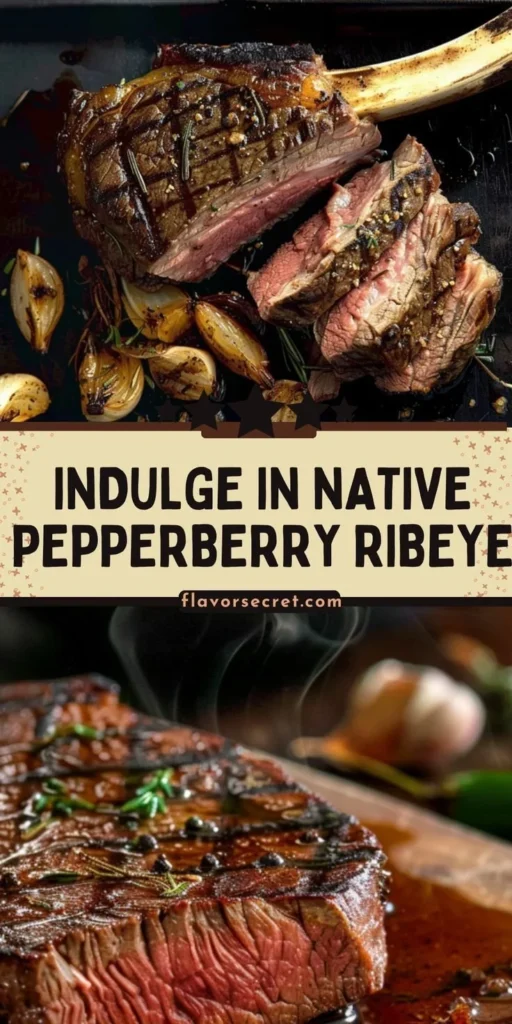
Native Pepperberry Rubbed Ribeye
A succulent ribeye steak seasoned with native pepperberries, delivering a unique flavor experience perfect for gatherings.
- Total Time: 40 minutes
- Yield: 4 servings
Ingredients
- 1 Ribeye steak (well-marbled)
- 2 tbsp crushed native pepperberries (or mix of black pepper and smoked paprika)
- 1 tbsp sea salt
- 1 tbsp chopped fresh herbs (thyme or rosemary)
- Olive oil or melted butter
Instructions
- Allow the ribeye steak to come to room temperature for about 30 minutes.
- In a small bowl, combine crushed pepperberries, sea salt, and chopped herbs.
- Drizzle olive oil or melted butter over the steak and massage the rub onto both sides.
- Preheat your grill or cast-iron skillet on medium-high heat.
- Cook the ribeye for about 4-5 minutes per side for medium-rare until it reaches an internal temperature of 130°F.
- Let the steak rest for at least five minutes before slicing it against the grain.
- Serve with sides like sautéed mushrooms or a fresh salad.
Notes
Letting the ribeye rest after cooking is crucial for a tender bite. Always use a meat thermometer for perfect doneness.
- Prep Time: 30 minutes
- Cook Time: 10 minutes
- Category: Main Course
- Method: Grilling
- Cuisine: American
- Diet: None


 carla
carla
 saralog