 carla
carlaHow to Make Cake and Pastry Flour
I still remember the time I stood in my grandmother’s cozy kitchen, surrounded by the rich, warm scents of baked goods. It was a rainy afternoon in Asheville, the kind where the clouds whispered stories of comfort and joy. My grandmother, with her flour-dusted apron, called me over to unravel the mystery of how to make cake and pastry flour. Watching her blend the simple ingredients with an unyielding passion made me appreciate the beauty of baking. That day, she taught me not just about the flour, but about the heart that goes into every cake, every pastry. It was a moment that shaped my love for cooking and a recipe I cherish dearly.
Table of Contents
Flavor and Popularity
The Unique Flavor Profile of How to Make Cake and Pastry Flour
When you delve into how to make cake and pastry flour, you’re not merely combining ingredients; you are creating a foundation for delightful baked goods. The combination of all-purpose flour, cornstarch, or even rice flour produces a lighter texture that allows cakes and pastries to rise beautifully. Unlike regular flour, which can be dense, this specialized blend gives your baked treats a tender crumb and a delectable melt-in-your-mouth quality.
Understanding the flavor profile is key. The mildness of this blend harmonizes wonderfully with sweet and savory ingredients. When you bake, you unlock a delightful balance that showcases the starring ingredients—think of rich chocolates or fresh fruits—that only cake and pastry flour can enhance.
Why This Recipe Is a Family Favorite and Crowd-Pleaser
This recipe for cake and pastry flour holds a special place in my heart. Families gather around the table for celebrations and cozy gatherings, with cakes and pastries bringing them closer together. Over the years, I found that friends and relatives rave about the lighter texture and delightful flavors when I use this blend, making it a favorite in my kitchen. It catches the attention of even the pickiest eaters, bringing smiles to faces young and old alike.

Ingredients and Preparation
Essential Ingredients and Possible Substitutions
To embark on this journey of how to make cake and pastry flour, you need a few key ingredients. Here’s a simple list:
- All-Purpose Flour: The base of your blend, giving it structure.
- Cornstarch: This helps reduce protein content, leading to that feather-light texture.
- Rice Flour (optional): Add a bit for an even lighter touch.
- Powdered Sugar (optional): Consider using a small amount for extra sweetness if making cake flour.
Possible Substitutions:
- If you don’t have cornstarch, you can use arrowroot or even potato starch.
- For gluten-free options, try a gluten-free all-purpose flour mixed with cornstarch for the desired texture.
Step-by-Step Recipe Instructions with Tips
Making your own cake and pastry flour is surprisingly simple. Follow these easy steps to create your blend:
Gather Ingredients: For every cup of cake flour you want to create, measure 1 cup of all-purpose flour. Remove 2 tablespoons of flour and add 2 tablespoons of cornstarch.
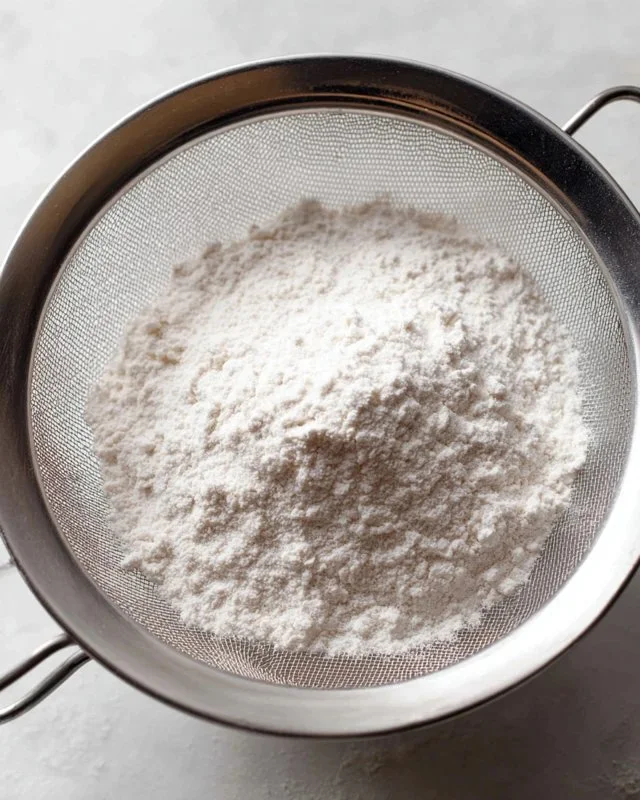
Mix Well: Use a whisk or a fine-mesh sieve to thoroughly mix the flours. This ensures an even distribution of the cornstarch throughout the all-purpose flour, making it light and fluffy.
Storing: If you’re making a larger batch, store it in an airtight container in a dark, cool place.
Label: Always label your container; it’s a good practice to keep track of your homemade ingredients.
Helpful Tips:
- Use a kitchen scale for precise measurements if you’re aiming for perfection.
- Remember that this blend is best used within a few months for optimum flavor and texture.
Cooking Techniques and Tips
How to Cook How to Make Cake and Pastry Flour Perfectly
Once you’ve mastered how to make cake and pastry flour, the next step is knowing how to use it effectively in your creations. This flour blend works wonders in recipes that require a tender bite. For cakes, always preheat your oven to the desired temperature and make sure to sift your flour into your batter—it makes a significant difference in the fluffiness.
For pastries, knead the dough lightly and avoid overworking it. The key to a flakier pastry lies in keeping the butter cold, cutting it into the flour until it resembles coarse crumbs before adding liquids.
Common Mistakes to Avoid
While baking can be forgiving, there are common pitfalls to sidestep:
- Using regular flour instead of your homemade blend can lead to denser textures.
- Be cautious with measuring flour—a cup packed full isn’t the same as a cup fluffed up before measuring.
- Skipping the sifting process may result in clumps and uneven textures, so remember, a little extra effort goes a long way.

Health Benefits and Serving Suggestions
Nutritional Value of How to Make Cake and Pastry Flour
While cake and pastry flour aren’t typically consumed directly, understanding their nutritional aspects can enhance your baking. The lighter texture often means fewer calories per serving when creating pastries or cakes—providing a treat that doesn’t compromise entirely on nutritional accountability.
Keep an eye on your portion sizes, particularly if you add richer fillings or frostings, as those can increase the calorie count significantly.
Best Ways to Serve and Pair This Dish
When it comes to serving cakes and pastries made with this flour, I love pairing them with complementary flavors.
- Cakes love fresh fruits, whipped cream, or a simple glaze.
- Pastries shine alongside a cup of steaming coffee or tea, serving as the perfect afternoon delight.
Add a touch of indulgence by drizzling chocolate sauce or sprinkling powdered sugar on top, enhancing not just flavor, but also the visual appeal of your creation.
FAQ Section
What type of mushrooms are best for How to Make Cake and Pastry Flour?
While mushrooms aren’t typically involved in cake and pastry flour, if you’re considering savory options, earthy mushrooms like shiitake or cremini might be a delightful addition to a pastry or savory bake.
Can I use dried garlic instead of fresh?
Absolutely! Dried garlic works wonderfully, especially in savory pastries or coatings. For every clove of fresh garlic, one clove’s worth of dried garlic should suffice.
How do I store leftover How to Make Cake and Pastry Flour?
Store any leftover flour in an airtight container in a cool, dark place. This will help maintain its freshness and avoid any moisture that could lead to clumping.
Can I freeze How to Make Cake and Pastry Flour?
Yes! If you want to extend the shelf life of your homemade flour blend, freezing is an excellent option. Just be sure to seal it tightly in a freezer-safe container, allowing you to retrieve it whenever the baking urge strikes.
Conclusion
If you’re like me, there’s something comforting about creating your own baking essentials in the kitchen. Baking is more than just a science; it’s an art form that brings families together over warm treats and sweet memories. Trust me, you’ll want to make this cake and pastry flour again and again. So, put on your apron, gather your ingredients, and embrace the joy of baking—sharing delicious creations and stealing heartwarming moments along the way. Happy baking!
Print
How to Make Cake and Pastry Flour
A simple guide to creating your own cake and pastry flour for lighter baked goods with a tender crumb.
- Total Time: 5 minutes
- Yield: 1 cup of cake flour
Ingredients
- 1 cup All-Purpose Flour
- 2 tablespoons Cornstarch
- 2 tablespoons Rice Flour (optional)
- Powdered Sugar (optional)
Instructions
- Gather Ingredients: For every cup of cake flour you want to create, measure 1 cup of all-purpose flour. Remove 2 tablespoons of flour and add 2 tablespoons of cornstarch.
- Mix Well: Use a whisk or a fine-mesh sieve to thoroughly mix the flours for an even distribution.
- Storing: Store in an airtight container in a dark, cool place if making a larger batch.
- Label: Label your container to keep track of your homemade ingredients.
Notes
Use a kitchen scale for precise measurements. Best used within a few months for optimum flavor and texture.
- Prep Time: 5 minutes
- Cook Time: 0 minutes
- Category: Baking
- Method: Mixing
- Cuisine: American
- Diet: Vegetarian


 carla
carla

 saralog