
 saralog
There’s a memory that dances in my mind every time I whip up a batch of Creamy Horseradish Sauce. I can almost smell the tangy bite wafting from the kitchen, where my grandma would often prepare it while telling stories that were as rich and layered as the flavor. I was just a young girl, curious about the ingredients mixing together like notes in a favorite song. I remember the first time I took a taste; the heat of the horseradish startled me at first but then gave way to the luscious creaminess that rounded it out so beautifully.
The sauce quickly became a staple in our family meals, especially when paired with roast beef and a side of buttery mashed potatoes. It became more than just a condiment; it transformed our dishes into celebrations, a medley of flavors that brought joy and connection around the dinner table. Every time I make my Creamy Horseradish Sauce, I can hear my grandmother’s laughter echo in the kitchen, reminding me that cooking is not just about the ingredients but the love we put into it.
Flavor and Popularity
The Unique Flavor Profile of Creamy Horseradish Sauce
At its core, Creamy Horseradish Sauce is a delightful balance of boldness and creaminess. The horseradish brings a zesty heat that can awaken even the most mundane of meals, while the creamy element—a rich blend of sour cream, mayonnaise, or even Greek yogurt—softens that kick, making it a versatile matrix for flavor.
There’s something magical about how these components come together; the sharp, earthy notes of horseradish mix with the silky smoothness, creating a sauce that dances on the palate. It’s perfect for adding a punch to sandwiches, lining the plate with roasted meats, or even serving as a dip for fresh veggies. You’ll love this sauce’s versatility, as it can easily transition from steakhouse classic to a bright accent in everyday meals.
Why This Recipe Is a Family Favorite and Crowd-Pleaser
I can tell you—I have yet to meet someone who tries my Creamy Horseradish Sauce and doesn’t ask for the recipe. It has a way of charming even the pickiest eaters. The richness of the sauce makes it comforting and hearty, while the horseradish adds that vibrant kick that keeps everyone coming back for more.
My family loves it as a dip for shrimp cocktail, but it never fails to impress when slathered generously over a gorgeous beef tenderloin. Even our friends look forward to potlucks where I bring it along, knowing it will be a reliable hit. There’s an undeniable community spirit that surrounds food shared with love, and this sauce embodies that sentiment perfectly.
Ingredients and Preparation
Essential Ingredients and Possible Substitutions
To make a delightful batch of Creamy Horseradish Sauce, gather the following ingredients:
- Horseradish: Look for freshly grated horseradish if you want that extra zing.
- Sour Cream: This provides the creamy base that softens and balances the sharpness of the horseradish.
- Mayonnaise: Using a dollop increases the richness and adds a silky texture.
- Dijon Mustard: A hint of mustard enhances the sauce’s complexity.
- Lemon Juice: Fresh lemon juice brightens the flavors and adds a splash of acidity.
- Salt and Pepper: Essential for seasoning, helping to bring every note into harmony.
If you’re in a pinch or prefer alternatives, Greek yogurt is an excellent stand-in for sour cream, offering a similar tang with added protein. For a vegan option, you can swap in a vegan mayonnaise and coconut yogurt to keep that creamy texture.
Step-by-Step Recipe Instructions with Tips
Creating Creamy Horseradish Sauce is a breeze, and I find joy in the simplicity of the process. Here’s how to do it:
- In a medium bowl, combine 1 cup sour cream and 1/2 cup mayonnaise. Whisk until smooth.
- Gradually add in 1/4 cup prepared horseradish (adjust more or less to taste).
- Stir in 1 tablespoon Dijon mustard and the juice of half a lemon.
- Season with salt and pepper to taste, mixing well until it’s fully incorporated.
Trust me, letting the sauce chill for at least an hour in the fridge allows the flavors to meld beautifully. If you can wait, make it a day in advance for an even more harmonious blend.
Cooking Techniques and Tips
How to Cook Creamy Horseradish Sauce Perfectly
Creating a Creamy Horseradish Sauce comes down to how you blend the ingredients. Always start with the cream base—wishy-washy sauces often come from breaking the creamy aspect. Whisking firmly incorporates air, helping to achieve that smooth consistency.
Common Mistakes to Avoid
A common mistake folks make is adding too much horseradish at once. Start small and taste as you go; you can always add more. Additionally, avoid using expired horseradish, as it loses its sharpness and crucial flavor profile. Lastly, skipping the chilling step can lead to a sauce that tastes flat—let the ingredients get to know each other!
Health Benefits and Serving Suggestions
Nutritional Value of Creamy Horseradish Sauce
Surprisingly, Creamy Horseradish Sauce can pack in some health benefits. Horseradish contains antioxidants and has been linked to aiding digestion. While the creamy base may add calories, opting for lighter dairy options can improve its overall nutritional profile. Usually, a serving brings a punch of flavor without requiring a lavish amount, keeping portion sizes reasonable.
Best Ways to Serve and Pair This Dish
This sauce shines brightest when served alongside succulent meats like roast beef, prime rib, or grilled veggies. You’ll find it pairs well with hearty fare. It’ll elevate your pulled-pork sandwiches and wraps, giving that extra layer of flavor. Don’t forget it can make a fantastic spread on sandwiches or a zesty dip for fresh vegetables or crackers.
FAQ Section
What type of mushrooms are best for Creamy Horseradish Sauce?
While mushrooms aren’t a traditional component of Creamy Horseradish Sauce, adding sautéed mushrooms can create an earthy depth. For this, shiitake or cremini mushrooms work wonderfully due to their robust flavor that complements the sauce well.
Can I use dried garlic instead of fresh?
Using dried garlic in this context is less effective since fresh garlic provides a vibrant, pungent flavor. If you must use dried, opt for garlic powder, but be cautious—start with a small amount since it’s more concentrated.
How do I store leftover Creamy Horseradish Sauce?
Leftover Creamy Horseradish Sauce can be stored in an airtight container in the fridge for up to a week. Just remember to give it a good stir before serving, as separation can occur.
Can I freeze Creamy Horseradish Sauce?
Freezing isn’t recommended for Creamy Horseradish Sauce because the cream can change texture when thawed. It’s best enjoyed fresh or stored in the fridge for short-term use.
As I sit here reflecting on my culinary journey, I can’t help but encourage you to share the experience of making Creamy Horseradish Sauce. There’s something comforting about taking your time to create something from scratch, infusing it with your own touch, and then sharing it with family and friends. Trust me, you’ll want to make this again and again. If you’re like me and cherish the memories created around a delicious meal, this is one recipe you’ll want to keep close to your heart. Happy cooking!
Print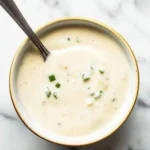
Creamy Horseradish Sauce
A delightful balance of boldness and creaminess, this Creamy Horseradish Sauce is perfect for elevating meats and serving as a zesty dip.
- Total Time: 70 minutes
- Yield: 8 servings
Ingredients
- 1 cup sour cream
- 1/2 cup mayonnaise
- 1/4 cup prepared horseradish
- 1 tablespoon Dijon mustard
- Juice of half a lemon
- Salt, to taste
- Pepper, to taste
Instructions
- In a medium bowl, combine sour cream and mayonnaise. Whisk until smooth.
- Gradually add in prepared horseradish, adjusting to taste.
- Stir in Dijon mustard and lemon juice.
- Season with salt and pepper to taste, mixing well until fully incorporated.
- Let the sauce chill in the fridge for at least an hour before serving for best flavor.
Notes
For a lighter version, opt for Greek yogurt instead of sour cream, and for a vegan option, use vegan mayonnaise and coconut yogurt.
- Prep Time: 10 minutes
- Cook Time: 0 minutes
- Category: Condiment
- Method: No Cooking
- Cuisine: American
- Diet: Vegetarian


 saralog
 carla
carla