 carla
carlaKorean Pot Roast has a special place in my heart, woven into the fabric of family gatherings and warm kitchen memories. I’ll never forget the first time I tasted this vibrant dish; it was an overcast day, and the aroma floated through the air, beckoning me into the kitchen. My friend Hyun had invited us for dinner, and I was excited yet a little anxious as I wandered into her home. As soon as I stepped inside, the rich scent of soy sauce, garlic, and tender beef enveloped me like a warm hug.
Seeing the pot simmering on the stovetop, its deep brown liquid bubbling with fragrant herbs, I instantly felt at home. Memories of Southern comfort food danced in my mind, and I knew this was going to be a game changer. When I finally took that first bite, the flavors unfurled in my mouth, blending sweet, savory, and a hint of heat. It reminded me of my grandma’s Sunday pot roast but with an exotic twist. The Korean Pot Roast became more than just a meal that evening; it felt like an embrace from a different culture, an invitation to explore. Ever since, I’ve made it part of our family’s pantry, serving it on cozy nights or festive occasions, bringing people together the way food always does.
Flavor and Popularity
The Unique Flavor Profile of Korean Pot Roast
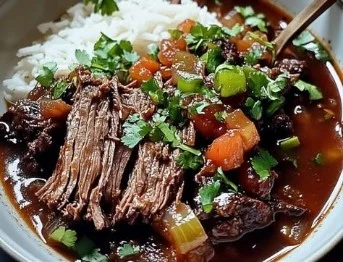
Korean Pot Roast is a symphony of flavors that reflects the rich culinary traditions of Korea. Picture the deep, savory notes of soy sauce intertwined with the sweetness of brown sugar, balanced by the aromatic touch of ginger and garlic. The beef becomes tender as it braises, soaking up every bit of that umami goodness, while vegetables like carrots and onions add sweetness and texture. With each bite, you get hints of sesame oil, bringing forth a nutty depth that couples beautifully with its earthy base.
What truly sets this dish apart is the magic of Korean ingredients. The use of gochugaru or Korean red pepper flakes can introduce a gentle heat that sparks intrigue without overwhelming. It’s like a warm cuddle in every mouthful. Whether you’re plating it for a family feast or a cozy dinner for two, the vibrant colors and enticing scents make it impossible for anyone to resist.
Why This Recipe Is a Family Favorite and Crowd-Pleaser
The charm of Korean Pot Roast lies not just in its rich flavors, but in its ability to spread joy and conviviality. It’s the kind of dish that sparks conversation and laughter around the table. When I serve it, I watch as family and friends dive into their plates, their eyes lighting up with delight.
In my home, cooking is about sharing love and creating memories. This pot roast embodies that beautifully. It’s a flexible recipe, too; you can adjust the heat level based on who you are serving, making it a versatile centerpiece. Whether it’s a chilly winter evening or a summer family gathering, Korean Pot Roast fits right in as a comforting staple, reminding us that the best moments in life often revolve around a table, surrounded by the people we cherish.
Ingredients and Preparation
Essential Ingredients and Possible Substitutions
To make a truly spectacular Korean Pot Roast, you’ll need a few essential ingredients. Here’s what you’ll want on your shopping list:
- Beef Chuck Roast: This cut is perfect for braising. Opt for well-marbled pieces for the best flavor.
- Soy Sauce: A key ingredient that provides that signature salty umami foundation.
- Brown Sugar: This adds a touch of sweetness, balancing the savory elements.
- Gochugaru: These Korean red pepper flakes bring the heat, but adjust to your taste preference.
- Garlic and Ginger: Fresh is best for that vibrant flavor boost.
- Sesame Oil: A little drizzle at the end elevates the dish with a nutty richness.
- Vegetables: Onions, carrots, and any other hearty vegetables will work well. Feel free to throw in some potatoes or mushrooms for extra texture.
- Beef Broth: This provides additional moisture for the roast to cook in.
If you’re in a pinch, don’t worry! You can swap the beef chuck roast with brisket or even a pork shoulder if you wish to experiment. Tamari or coconut aminos can serve as a gluten-free option for soy sauce. For a twist, try using honey instead of brown sugar to sweeten your sauce naturally!
Step-by-Step Recipe Instructions with Tips
-
Sear the Beef: Start by seasoning your beef chuck roast with salt and pepper. Heat a few tablespoons of oil in a large, heavy skillet over medium-high heat. Sear the roast on all sides until it’s beautifully browned—this locks in flavor and creates a lovely crust.
-
Sauté Aromatics: Remove the roast from the skillet and add chopped onions, garlic, and ginger. Sauté until fragrant and the onions become translucent. This step ensures each bite of the pot roast is infused with deep, savory flavors.
-
Deglaze the Pan: Add a splash of beef broth to the skillet, scraping up any browned bits stuck to the bottom—those bits are flavor gold!
-
Braise the Roast: Return the roast to the skillet. Add soy sauce, brown sugar, gochugaru, and the remaining beef broth. Bring the mixture to a simmer, then cover and transfer it to a preheated oven at 300°F (150°C). Allow it to braise for about 2.5 to 3 hours until the beef is fork-tender.
-
Add Vegetables: In the last hour of cooking, add chopped carrots and any other vegetables you’re using. This ensures they retain some texture while absorbing the delicious broth.
-
Finish and Serve: Once done, remove from the oven, and drizzle with sesame oil for that final touch. Let it rest for 10-15 minutes before slicing. Serve it alongside steamed rice or savory mashed potatoes, and don’t forget to spoon some of that luscious gravy over the top!
Cooking Techniques and Tips
How to Cook Korean Pot Roast Perfectly
To achieve a melt-in-your-mouth Korean Pot Roast, the key is slow cooking. Braising at a lower temperature allows the connective tissues in the meat to break down, resulting in tender, juicy slices. Using a heavy pot or Dutch oven helps retain moisture, ensuring even cooking throughout. Always sear your roast before braising; this step enhances the flavor significantly.
Common Mistakes to Avoid
One common mistake is rushing the cooking process. This dish thrives on time and patience, so resist the urge to raise the heat. Additionally, avoid skipping the resting period after cooking; this is crucial for retaining juices in your roast. Last but not least, be cautious with salt; since you’re using soy sauce, taste as you go to prevent over-seasoning.
Health Benefits and Serving Suggestions
Nutritional Value of Korean Pot Roast
Korean Pot Roast is not only delicious but can also be nourishing. The beef provides essential protein for muscle growth and maintenance, while the vegetables contribute vitamins, minerals, and dietary fiber. When made with lower-sodium soy sauce, you can enjoy a hearty meal that fits into a mindful eating plan.
Best Ways to Serve and Pair This Dish
Korean Pot Roast pairs beautifully with steamed rice, which absorbs the rich sauce, enhancing each bite. For added freshness, serve it alongside a simple cucumber salad or pickled vegetables, which can cut through the richness. If you’re feeling adventurous, try it with a side of Korean kimchi for a delightful contrast.
FAQ Section
What type of mushrooms are best for Korean Pot Roast?
When it comes to mushrooms, shiitake varietals shine in this recipe. Their earthy flavor complements the beef beautifully and enriches the broth. If you can’t find shiitake, feel free to use cremini or even button mushrooms.
Can I use dried garlic instead of fresh?
While fresh garlic truly brings out the best flavors, you can substitute dried garlic in a pinch. One teaspoon of dried garlic powder equals about one clove of fresh garlic. Just remember that dried garlic doesn’t impart the same vibrant flavor, so adjust to taste.
How do I store leftover Korean Pot Roast?
Store any leftovers in an airtight container in the fridge for up to three days. Always cool the roast before sealing it up. Reheat it gently on the stovetop or microwave, adding a splash of broth to keep it moist.
Can I freeze Korean Pot Roast?
Absolutely! Once cooled completely, you can freeze it for up to three months. Portion it into containers for easy meals anytime. Just remember to thaw it in the fridge overnight before reheating.
In closing, I invite you to take this recipe for a spin in your own kitchen. If you’re like me, finding joy in the act of cooking is as important as the meal itself. There’s something comforting about gathering loved ones around a table filled with good food, laughter, and stories. Trust me, once you make this Korean Pot Roast, you’ll want to share it with everyone you know! Let the flavors and warmth bring your family together, creating memories that last long after the plates are clean.
Print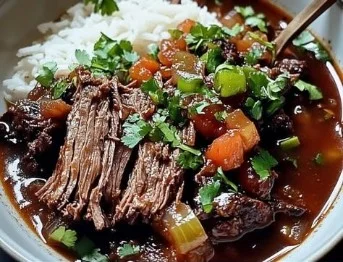
Korean Pot Roast
A tender and flavorful Korean Pot Roast, infused with soy sauce, garlic, and gochugaru, perfect for family gatherings.
- Total Time: 195 minutes
- Yield: 6 servings
Ingredients
- 3-4 lbs Beef Chuck Roast
- 1/2 cup Soy Sauce
- 1/4 cup Brown Sugar
- 1-2 tbsp Gochugaru (Korean red pepper flakes)
- 4 cloves Garlic, minced
- 1 tbsp Ginger, minced
- 2 tbsp Sesame Oil
- 1-2 cups Vegetables (onions, carrots, potatoes, mushrooms)
- 1 cup Beef Broth
Instructions
- Sear the beef chuck roast with salt and pepper in a heavy skillet until browned on all sides.
- Sauté chopped onions, garlic, and ginger in the skillet until fragrant.
- Deglaze the pan with a splash of beef broth, scraping up the browned bits.
- Braise the roast by adding soy sauce, brown sugar, gochugaru, and the remaining broth; simmer and cover.
- Add chopped vegetables in the last hour of cooking.
- Finish by drizzling sesame oil and resting for 10-15 minutes before serving.
Notes
For a gluten-free option, use tamari or coconut aminos. Adjust the heat of gochugaru according to taste.
- Prep Time: 15 minutes
- Cook Time: 180 minutes
- Category: Main Course
- Method: Braising
- Cuisine: Korean
- Diet: None


 carla
carla

 saralog