 saralog
I remember the first time I tasted Kung Pao Chicken, standing in my grandmother’s cozy kitchen, the smell of roasted peanuts and sizzling chicken filling the air. I was about ten years old, and I had just returned from a summer spent with my cousins in the bustling streets of San Francisco. My grandmother, with her kindly smile and flour-dusted apron, had decided to recreate a dish I had raved about, filling her home with warmth and fragrant spices. As she threw a handful of colorful bell peppers into the pan, delight danced in my heart. There was something magical about watching her cook, her movements like a well-rehearsed dance, each ingredient finding its place in the symphony of spices and textures.
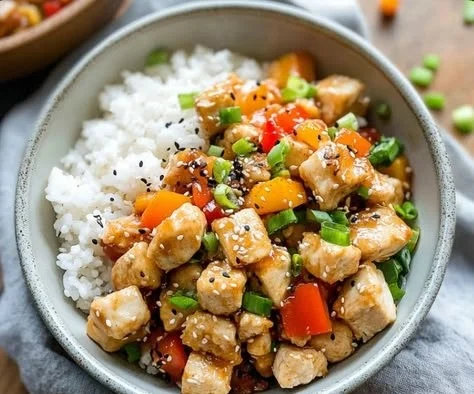
When that plate of Kung Pao Chicken arrived, it felt like a celebration on a humble Tuesday evening. Crunchy peanuts topped tender, lightly fried chicken tossed in a glossy, spicy sauce—each bite left me yearning for just one more spoonful. I can still taste that first, delightful explosion of umami and sweetness, which felt both familiar and exotic at the same time. The laughter around the table lifted spirits, filling the room with joy. To this day, every time I make Kung Pao Chicken, I’m reminded of those moments, an intimate blend of flavors and family love. Now, let me share the recipe that transformed my childhood kitchen into a haven of warmth and happiness.
Flavor and Popularity
The Unique Flavor Profile of Kung Pao Chicken
Kung Pao Chicken is a delightful marriage of spices, textures, and colors. Originating from the Sichuan province in China, it showcases a culinary tradition that melds sweet, savory, and earthy notes into one captivating dish. The essence lies in the balance—the heat from Sichuan peppercorns and dried chilies meets the sweetness from hoisin sauce and a kiss of soy sauce, all playing beautifully with the crunchy texture of toasted peanuts and crisp vegetables.
What sets Kung Pao Chicken apart is its unique layering of flavors. The nuttiness of the peanuts harmonizes with the tenderness of the chicken, while the bell peppers and scallions add a fresh brightness. Each ingredient serves a purpose; the garlic and ginger infuse the dish with aromatic depth, elevating it beyond just a meal into a culinary experience that truly celebrates the joy of cooking and sharing.
Why This Recipe Is a Family Favorite and Crowd-Pleaser
I can attest that Kung Pao Chicken isn’t just a recipe; it’s an experience that brings family and friends together. With its robust flavors and comforting spices, this dish appeals to kids and adults alike. I vividly recall hosting Sunday dinners, where generous helpings of Kung Pao Chicken vanished faster than I could serve. The spicy kick ignites the taste buds and keeps everyone coming back for more, while the vibrant colors tempt the eyes.
Beyond its delightful flavor profile, Kung Pao Chicken is remarkably versatile. Substitute chicken with tofu for a vegetarian version or add your favorite vegetables to tailor it to the season. Each time, the dish delivers comfort, portraying love and effort without sacrificing simplicity. It’s a reminder that cooking isn’t just about sustenance—it’s about creating moments, memories, and a sense of belonging.
Ingredients and Preparation
Essential Ingredients and Possible Substitutions
To create your masterpiece of Kung Pao Chicken, you’ll want to gather a handful of essential ingredients:
- Chicken (breast or thighs): Boneless chicken is ideal for a quick weeknight meal. Thighs bring extra juiciness, while breasts offer a leaner option.
- Peanuts: Choose dry roasted peanuts for the best crunch; their nuttiness adds depth to the dish.
- Vegetables: Bell peppers (red, green, yellow) bring color and flavor. Add zucchini or snap peas for variation as well.
- Garlic and ginger: Use fresh for the best flavor; they create a fragrant base that enlivens the dish.
- Dried red chilies: Spice up your life or tone it down—adjust the quantity to suit your heat preference!
- Soy sauce & hoisin sauce: A must-have for that savory umami kick; they marry the flavors beautifully.
- Scallions: Sprinkle these in right before serving for a pop of color and fresh taste.
If you need substitutions, don’t worry! Tofu or shrimp can serve as tasty alternatives for the chicken. If you find yourself without peanuts, sunflower seeds or cashews make great replacements. As for the hoisin and soy sauce, tamari can act as a gluten-free alternative without sacrificing taste.
Step-by-Step Recipe Instructions with Tips
Now let’s dive into crafting this flavorful dish step by step:
-
Preparation: Start by cutting the chicken into bite-sized pieces and marinating it with soy sauce, a teaspoon of cornstarch, and some sesame oil. Let it sit for about 20 minutes to soak up all those luscious flavors.
-
Prep your veggies: Chop your bell peppers, slice scallions, and mince your garlic and ginger. Having everything ready before you start cooking will help create a seamless flow.
-
Hot pan, hot oil: In a large skillet or wok, heat a tablespoon of vegetable oil over medium-high heat. Once hot, add the marinated chicken and stir-fry until it’s golden brown and cooked. Don’t overcrowd the pan; you want that lovely sear!
-
Aromatics first: Remove the chicken from the skillet and set it aside. In the same pan, toss in your garlic, ginger, and dried chilies, sautéing for about 30 seconds until aromatic.
-
Back to the chicken: Add the chicken back into the pan along with the chopped bell peppers and peanuts, stirring to combine.
-
Time for the sauce: In a small bowl, whisk together the hoisin sauce, soy sauce, a splash of rice vinegar, and the remaining cornstarch with water, then pour it over the chicken mixture. Cook while stirring until the sauce thickens and clings to every piece of chicken and vegetable.
-
Finish with scallions: Toss in the scallions and cook for another minute. Serve hot, and watch it disappear!
Cooking Techniques and Tips
How to Cook Kung Pao Chicken Perfectly
Cooking Kung Pao Chicken to perfection relies on high heat and quick cooking. A well-seasoned wok or skillet is essential for achieving that coveted char on your ingredients. Always preheat your pan and oil; this helps to lock in juices and flavors. Moreover, balance is key—don’t let one ingredient overpower the others. Sample your dish as you cook, adjusting the seasoning to your preference.
Common Mistakes to Avoid
One common pitfall is overcooking the chicken, leading to a dry, tough texture. Cook in batches if necessary, allowing each piece enough room to sear properly. Additionally, don’t forget to taste as you go, ensuring that the balance of spice and savory suits your palate. Lastly, resist the urge to crowd your skillet with too many ingredients at once—your Kung Pao chicken craves space to work its magic!
Health Benefits and Serving Suggestions
Nutritional Value of Kung Pao Chicken
Kung Pao Chicken offers a delightful combination of protein, vegetables, and healthy fats, making it a well-rounded dish. Chicken is an excellent source of lean protein while the vibrant bell peppers provide essential vitamins and antioxidants. Peanuts contribute healthy fats and fiber, promoting heart health. This dish satisfies your hunger while delivering valuable nutrients, making it perfect for a fulfilling family meal.
Best Ways to Serve and Pair This Dish
Serve your Kung Pao Chicken over a fluffy bed of white or brown rice, allowing the grains to soak up the scrumptious sauce. Alternatively, serve it with steamed vegetables for a lower-carb option. To enhance the experience, consider pairing your meal with chilled Asian-style cucumber salad or crispy vegetable spring rolls. The textures and flavors create a harmonious balance, turning dinner into an occasion.
FAQ Section
What type of mushrooms are best for Kung Pao Chicken?
While traditional Kung Pao Chicken doesn’t typically include mushrooms, shiitake mushrooms add an earthy richness if you choose to include them. Their meaty texture enhances the dish beautifully, absorbing the savory sauce.
Can I use dried garlic instead of fresh?
Dried garlic can work in a pinch, but fresh garlic truly transforms the flavor and aroma of your dish. If you’re short on fresh garlic, use a smaller amount of garlic powder, but remember that the results won’t be quite as vibrant.
How do I store leftover Kung Pao Chicken?
Store any leftovers in an airtight container in the refrigerator for up to three days. Reheat gently in a skillet or microwave, adding a splash of water or broth to maintain moisture.
Can I freeze Kung Pao Chicken?
Absolutely! Kung Pao Chicken freezes well. Cool the dish completely, portion it into airtight containers, and freeze for up to three months. Thaw overnight in the refrigerator before reheating.
Conclusion
If you’re like me, the kitchen is a sacred space where love and flavors blend to create something truly special. Making Kung Pao Chicken isn’t just about the ingredients; it’s about the memories that unfold and the joy it brings to your home. As you cook and savor each bite, remember the happiness shared around the table, transforming simple moments into lasting memories. Trust me, you’ll want to make this again and again, letting its delightful flavors wrap you in warmth and joy.
Print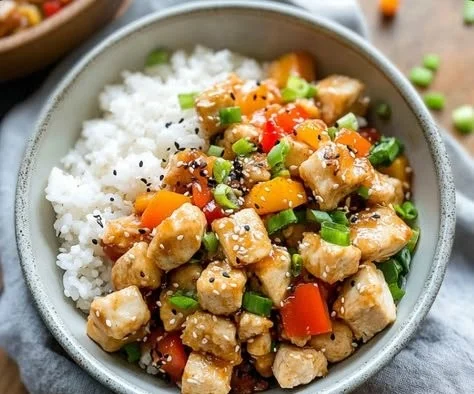
Kung Pao Chicken
A flavorful blend of chicken, peanuts, and colorful vegetables in a spicy sauce, perfect for family gatherings.
- Total Time: 35 minutes
- Yield: 4 servings
Ingredients
- 1 lb boneless chicken (breast or thighs)
- 1/2 cup dry roasted peanuts
- 1 cup bell peppers (red, green, yellow), chopped
- 2 scallions, sliced
- 3 cloves garlic, minced
- 1 inch ginger, minced
- 2-3 dried red chilies
- 3 tbsp soy sauce
- 2 tbsp hoisin sauce
- 1 tbsp rice vinegar
- 1 tsp cornstarch
- 1 tbsp vegetable oil
- 1 tsp sesame oil
Instructions
- Cut the chicken into bite-sized pieces and marinate with soy sauce, cornstarch, and sesame oil for 20 minutes.
- Chop the bell peppers, slice the scallions, and mince the garlic and ginger.
- Heat vegetable oil in a large skillet over medium-high heat, then add marinated chicken and stir-fry until golden brown.
- Remove the chicken from the skillet and set aside, then sauté garlic, ginger, and dried chilies until fragrant.
- Add the chicken back into the pan along with chopped bell peppers and peanuts, stirring to combine.
- Whisk together hoisin sauce, soy sauce, rice vinegar, and cornstarch with water, then pour over the chicken mixture.
- Cook while stirring until the sauce thickens, then toss in the scallions and serve hot.
Notes
For a vegetarian version, substitute chicken with tofu and add your favorite seasonal vegetables.
- Prep Time: 20 minutes
- Cook Time: 15 minutes
- Category: Main Course
- Method: Stir-Frying
- Cuisine: Chinese
- Diet: Non-Vegetarian

 saralog
 carla
carla