 saralog
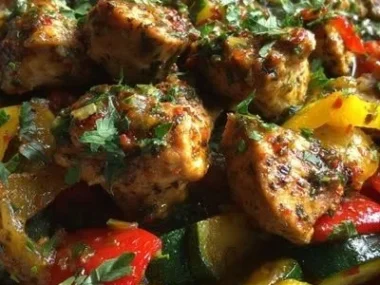
Ethiopian Spiced Chicken holds a special place in my heart, a dish that embodies warmth and flavor like a cozy hug. I still remember the first time I was introduced to this vibrant meal at a friend’s dinner party—a gathering filled with laughter and the enticing aroma of spices. As I walked into the kitchen, the scent of sautéed onions, garlic, and a blend of earthy spices enveloped me, captivating my senses and pulling me in. The moment I took a bite, I was swept away by the richness of flavors—smoky, spicy, and just a hint of sweetness. It was an explosion of tastes that danced joyously on my palate.
Ethiopian Spiced Chicken isn’t just a recipe; it’s a celebration of culture, community, and love. As I savored that first bite, I felt an urge to recreate that magic in my home, to share it with family and friends. I wanted to craft that same moment of joy and connection at my dinner table. Since then, it has become a cherished dish that I prepare not only for special occasions but also for quiet evenings. This dish offers what every home cook yearns for—the ability to bring people together over a shared meal infused with love and tradition.
Flavor and Popularity
The Unique Flavor Profile of Ethiopian Spiced Chicken
Ethiopian cuisine is renowned for its bold flavors, and Ethiopian Spiced Chicken exemplifies this beautifully. The foundation of the dish lies in a blend of spices called berbere—a fragrant mix of chili peppers, garlic, ginger, and various spices like coriander and cardamom. When you first pop the chicken in the pan, allowing those spices to gradually release their aromas, you’ll find yourself enveloped in a tantalizing scent that promises something truly special.
Each bite of Ethiopian Spiced Chicken offers complexity, with layers of umami and a gentle heat that builds without overwhelming. The chicken absorbs the richness of the seasonings, making it tender and flavorful. Paired with sides like injera, a traditional Ethiopian flatbread, or sautéed greens, the dish transforms into a feast for both the eyes and the palate.
Why This Recipe Is a Family Favorite and Crowd-Pleaser
What makes Ethiopian Spiced Chicken a family favorite is its versatility. Whether it’s a casual weeknight dinner or a festive gathering, this dish consistently garners rave reviews. The communal nature of Ethiopian cuisine, traditionally served on a large platter where everyone digs in together, invites a spirit of togetherness. I remember the joy on my children’s faces as we shared stories over a colorful spread, everyone happily grabbing pieces of chicken with their injera.
Moreover, it’s incredibly forgiving, allowing you to adjust the spice levels or swap in seasonal ingredients with minimal effort. From a hint of sweetness from honey to a dash of acidity with lemon, you can customize your dish to cater to various tastes in your family—making it a favorite that never gets old.
Ingredients and Preparation
Essential Ingredients and Possible Substitutions
To create my version of this lovely Ethiopian Spiced Chicken, gather the following ingredients:
-
Chicken (thighs or breasts): Tender chicken thighs are wonderful for this dish as they stay moist during cooking. Nevertheless, boneless chicken breasts work well, too.
-
Berbere spice mix: This is the heart of the recipe, giving it that quintessential Ethiopian flair. If you can’t find berbere, a homemade blend of smoked paprika, cayenne, cumin, and ground coriander can provide a lovely alternative.
-
Garlic and ginger: Fresh garlic and ginger are essential for a flavorful base. You can replace fresh ginger with ground ginger in a pinch, using only a small amount.
-
Onion: Sweet onions add depth to the dish. Red or yellow varieties work beautifully; just chop them finely.
-
Vegetable oil or clarified butter: Either will work for sautéing, but using butter adds a lovely richness.
-
Cilantro or parsley: Fresh herbs brighten the dish, making it vibrant and fresh. Either works, so choose what you prefer or have on hand.
While these ingredients create a beautiful dish, feel free to experiment. Substituting sweet potatoes for chicken makes for a flavorful vegetarian option, or you can add hearty vegetables like bell peppers for added nutrition and color.
Step-by-Step Recipe Instructions with Tips
-
Prepare the chicken: Slice the chicken thighs into bite-sized pieces. This helps them cook quickly and allows them to soak up the spices.
-
Create the spice blend: In a small bowl, mix about two tablespoons of berbere with a splash of your oil of choice to form a paste. This step allows the spices to bloom as you cook.
-
Sauté the aromatics: In a large skillet over medium heat, pour in more oil if needed and add finely chopped onions. Sauté until translucent, about 5-7 minutes. Then, add minced garlic and ginger, cooking for another minute until fragrant.
-
Add the chicken: Toss in the chicken pieces and the berbere spice paste, stirring to coat every piece. Cook for approximately 8-10 minutes, turning occasionally, until the chicken is golden brown and cooked through.
-
Finish with fresh herbs: Just before serving, stir in chopped cilantro or parsley, giving your dish a fresh bite.
This Ethiopian Spiced Chicken is best served hot and family-style, encouraging everyone to dig in together.
Cooking Techniques and Tips
How to Cook Ethiopian Spiced Chicken Perfectly
Cooking Ethiopian Spiced Chicken focuses on balance and attention to detail in the spices. The key is to brown the chicken thoroughly over medium-high heat, allowing it to caramelize—this not only makes the dish more flavorful but also enhances that beautiful color.
Keep an eye on the spices; you want them to be fragrant but not burnt. Make sure to adjust the cooking time if you’re using different cuts of chicken (for example, breasts cook faster than thighs). Always taste as you go. A dash of something sweet or a splash of vinegar can adjust and enhance the overall taste.
Common Mistakes to Avoid
One common mistake is not allowing enough time for the spices to develop their flavors. Give them time to toast slightly in the pan before adding any liquid or other ingredients; this step brings out their full potential.
Also, try to avoid overcrowding the pan. Cooking in batches, if needed, ensures that every piece of chicken gets that lovely sear and doesn’t steam instead. Last but not least, don’t skip the part where you let the dish rest for a few minutes before serving it; this simple step allows the juices to redistribute, resulting in moisture you can truly savor.
Health Benefits and Serving Suggestions
Nutritional Value of Ethiopian Spiced Chicken
Ethiopian Spiced Chicken isn’t just delicious—it’s also wholesome! Chicken is an excellent source of protein, while the spices pack in antioxidants that are known for their anti-inflammatory properties. Ginger and garlic do wonders for digestion and provide an immune boost—adding to the health benefits of this dish.
Additionally, when served with vegetables, like a side of sautéed greens or a fresh salad, you’re incorporating fiber and vitamins that enhance the overall nutritional value of the meal.
Best Ways to Serve and Pair This Dish
Serving Ethiopian Spiced Chicken can be a delightful experience for all ages. Traditionally, it’s served on injera, allowing everyone to tear off pieces of the flatbread and scoop up the chicken while mingling.
You can also pair it with simple sides such as rice, quinoa, or a refreshing cucumber salad. Consider adding a dollop of yogurt or a sprinkle of fresh herbs to top it off, creating a beautiful contrast in textures and flavors.
FAQ Section
What type of mushrooms are best for Ethiopian Spiced Chicken?
While mushrooms aren’t traditionally included in Ethiopian Spiced Chicken, if you’re looking to add them for extra depth, shiitake and cremini mushrooms work wonderfully. Their earthy flavor complements the spices beautifully.
Can I use dried garlic instead of fresh?
You can substitute dried garlic, but use it sparingly—typically one-eighth to one-fourth of a teaspoon for every clove of garlic. The flavor will be quite concentrated compared to fresh.
How do I store leftover Ethiopian Spiced Chicken?
To preserve the lovely flavors, allow any leftover Ethiopian Spiced Chicken to cool before transferring it to an airtight container. It can be stored in the refrigerator for up to three days.
Can I freeze Ethiopian Spiced Chicken?
Absolutely! Once fully cooled, place the chicken in a freezer-safe container or bag. It will keep well in the freezer for about three months. Thaw in the refrigerator before reheating for best results.
Conclusion
If you’re like me, food is a way to express love and create lasting memories. My journeys into Ethiopian cuisine have enriched my life, and Ethiopian Spiced Chicken is the perfect testament to that. There’s something comforting about sharing a meal that carries with it so much history and flavor, inviting everyone to gather close and enjoy. Trust me, you’ll want to make this again and again—it’s more than just a recipe; it’s an experience filled with joy, exploration, and the warmth of home. So roll up your sleeves and dive in; let’s create those cherished memories together!
Print
Ethiopian Spiced Chicken
A flavorful and comforting dish featuring tender chicken marinated with Ethiopian spices, perfect for family gatherings and special occasions.
- Total Time: 35 minutes
- Yield: 4 servings
Ingredients
- Chicken thighs or breasts
- 2 tablespoons berbere spice mix
- 2 cloves garlic, minced
- 1 tablespoon fresh ginger, minced
- 1 onion, finely chopped
- Vegetable oil or clarified butter
- Cilantro or parsley, chopped for garnish
Instructions
- Slice the chicken thighs into bite-sized pieces.
- In a small bowl, mix berbere with a splash of oil to form a paste.
- In a large skillet over medium heat, sauté onions until translucent, about 5-7 minutes.
- Add minced garlic and ginger, cooking for another minute until fragrant.
- Toss in chicken pieces and berbere paste, stirring to coat. Cook for 8-10 minutes until golden brown and cooked through.
- Stir in chopped cilantro or parsley just before serving.
Notes
Let the dish rest before serving to redistribute juices. Serve with injera or rice for a complete experience.
- Prep Time: 15 minutes
- Cook Time: 20 minutes
- Category: Main Course
- Method: Sautéing
- Cuisine: Ethiopian
- Diet: Non-Vegetarian


 carla
carla
 saralog